
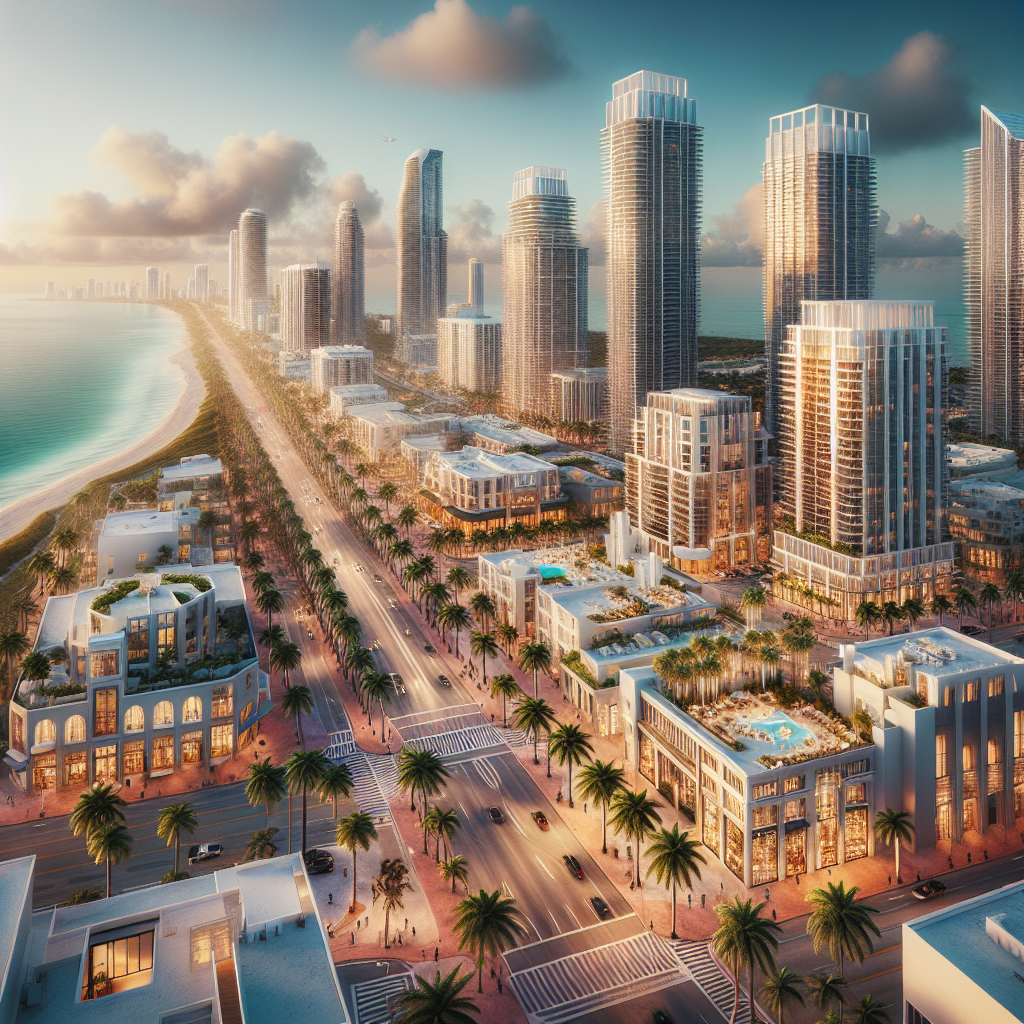
As I stroll along the golden sands of Sunny Isles Beach, the energy around me pulses with a mix of ambition and anxiety. The luxury towers lining Collins Avenue are not just impressive feats of architecture; they represent dreams, investments, and life’s possibilities for many buyers. Yet, there’s an undercurrent of tension reshaping this vibrant area lately, particularly as a wave of lawsuits has begun to wash over South Florida’s developers.
In a place where the sun-drenched, oceanfront properties have long been the epitome of luxury living, the recent legal troubles mark a new chapter that has left both residents and investors eyeing their surroundings with a critical gaze. Units in high-profile developments, such as the stunning Porsche Design Tower, which is arguably one of the most iconic buildings here, now come with conversations not just about breathtaking ocean views but also about the potential ramifications of ongoing litigation. Many potential buyers are starting to ask the tough questions: what does a lawsuit mean for property values? How will the ongoing legal battles impact homeowner associations, amenities, and future developments in Sunny Isles?
Walking past the luxurious lobbies of the Trump International Beach Resort, I was reminded of how important perception is in this locale. The high-rise lifestyle offers tempting views of turquoise waters and easy beach access, yet now some prospective buyers are hesitating, wary of investing in a climate fraught with legal risks. The allure of living just steps from the beach, with amenities like personal concierge services and resort-style pools, is still strong, but a lingering fear can dampen that appeal.
In Miami Beach, the atmosphere feels similarly charged. Buildings like the luxurious Faena House, known for its lavish interiors and top-notch service, have long captivated wealthy buyers. However, with the rise of lawsuits targeting developers over various alleged missteps—ranging from building defects to mismanagement of funds—the once steady stream of enthusiastic investors is becoming more cautious. In this district, one can’t help but notice how the rhythm of buyer behavior is changing. Rather than rushing to secure luxurious properties, buyers are now methodically analyzing whether their ultimate lifestyle aligns harmoniously with the legal uncertainties surrounding the developments.
Furthermore, the architecture that once stood as a symbol of opulence is now intertwined with questions of durability and quality. Newer projects, such as the Aston Martin Residences, with their sleek modern designs and sweeping views, now have heavy expectations resting on them. The notion of whether these towers can withstand more than just the salt air is more relevant than ever. This is a place where discerning buyers have always driven a hard bargain, but now they’re armed with an added layer of skepticism.
Local residents might recall how the Miami Beach market had a peak moment, fully charged by lifestyle trends favoring multifaceted, experience-oriented living. Yet, there’s a transition; the very tanks of enthusiasm fueled by a booming luxury market are starting to show signs of fatigue. The distant sound of construction—often heralding progress and economic vitality—has taken on a new texture, now blended with whispers of uncertainty about which projects might experience delays or other troubles due to these burgeoning lawsuits.
As these developments unfold, it’s essential to recognize how property layouts and design specifics can directly influence buyer sentiment. Expansive floor plans with unobstructed ocean views have always held an advantage, but now those features feel tied to the dependability of the developer. Back in Sunny Isles, potential buyers are tending to favor properties with a proven track record of satisfaction among owners, where there’s a palpable sense of community and stability. It underscores the importance of not just the view or square footage but also how sturdy the foundation is—figuratively and literally.
The embrace of luxurious amenities remains a mainstay in this market; rooftop pools, beautifully manicured gardens, and access to private beach clubs continue to draw attention. However, homeowners are now focusing on the health of their homeowner associations, looking to see if they’re financially solvent and well-managed. The prospect of sharing community amenities with people who may be embroiled in lawsuits brings an added layer of complexity and concern about the overall experience.
Peeling away the layers, it becomes clear that our slice of paradise is in a moment of reckoning. In Sunny Isles Beach and Miami Beach, the glimmer of paradise is occasionally obscured by the shadows of legal challenges facing developers. It’s a significant pivot for buyers and investors who thrive in environments where optimism pervades. The challenges looming in the background now have the potential to reshape perceptions of value and desirability.
As we navigate these waters, the overarching question remains: how will this legal landscape alter the development of our beloved neighborhoods? Will it stifle the exuberance or will it lead to an era of more responsible building? The spirit of this vibrant area demands resilience, and as we gather with friends at our favorite beachside café, the conversation inevitably turns to the future. Because if there’s one thing we can rely on, it’s the South Florida spirit of innovation and adaptability, ensuring that while the tides may shift, our connection to this stunning locale remains true.


