
In the shimmering heart of Sunny Isles Beach, there’s a palpable tension in the air these days. It’s not uncommon, especially on a sun-kissed Saturday afternoon, to see buyers flitting from one luxury condo to another, their excited conversations colored by the ocean’s gentle murmurs. However, the usual thrill of the real estate market seems to be clouded lately by the weight of rising fees and special assessments that have many unit owners reconsidering their futures.
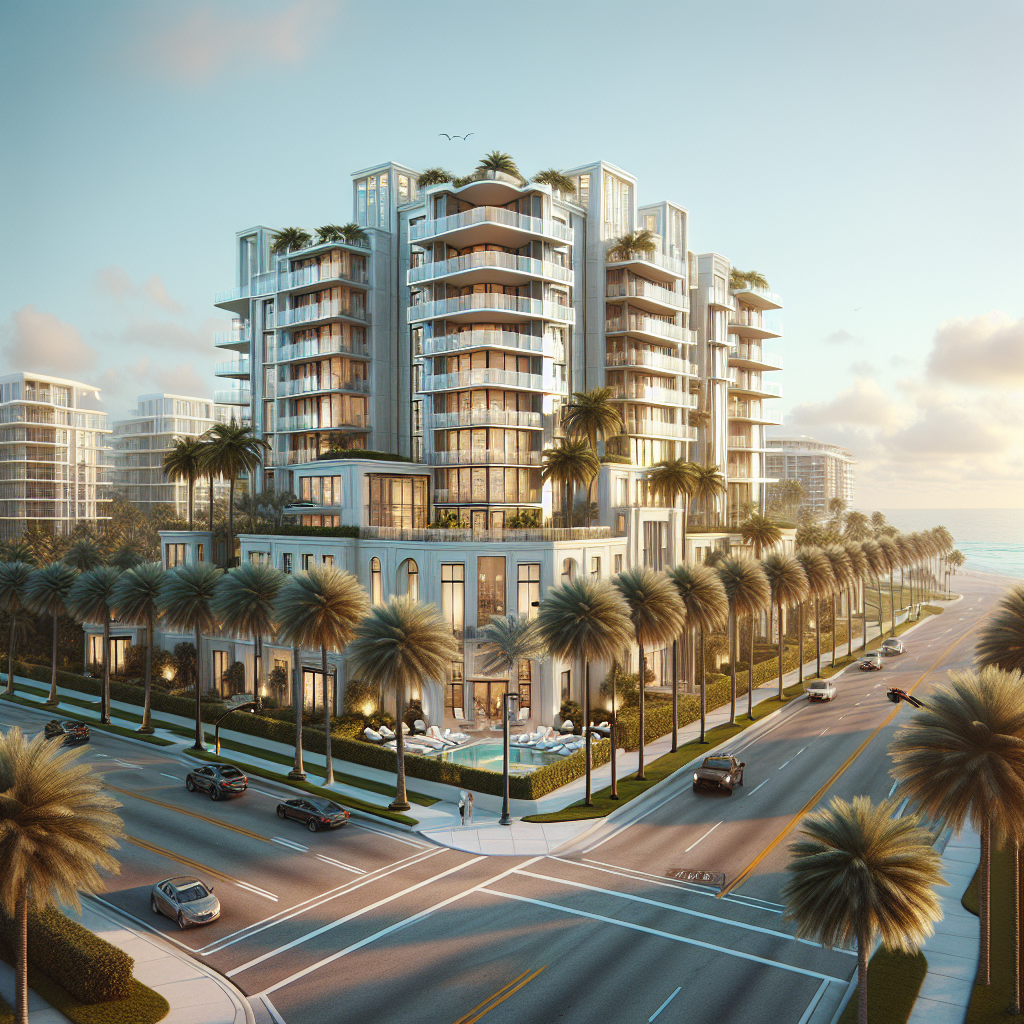
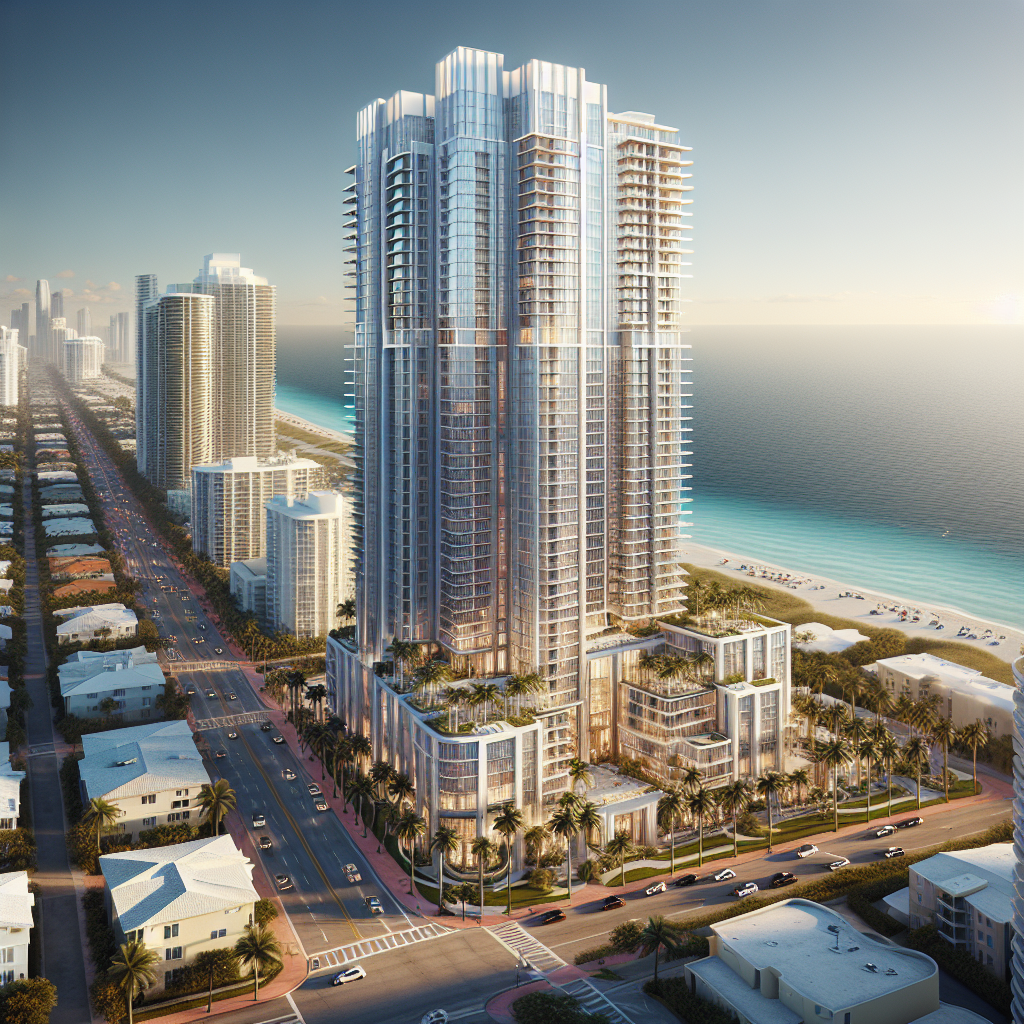
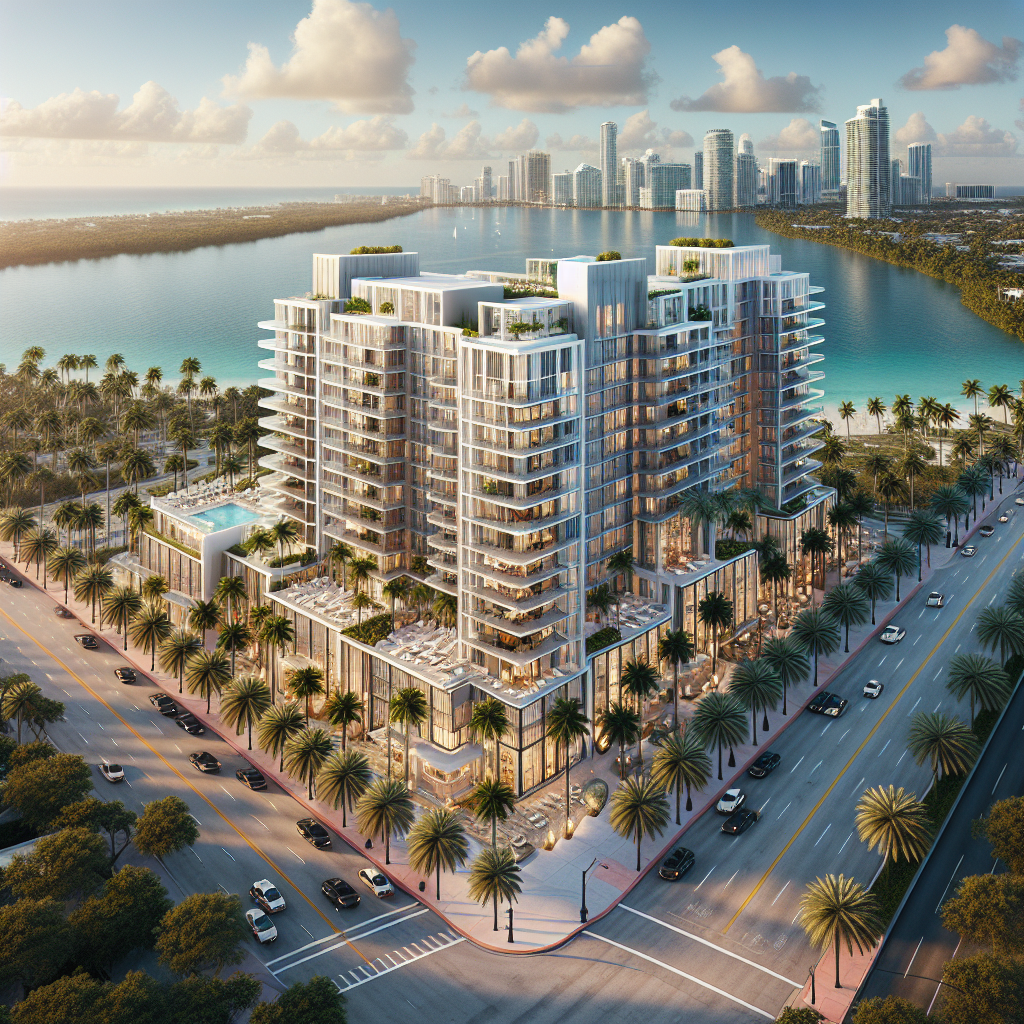
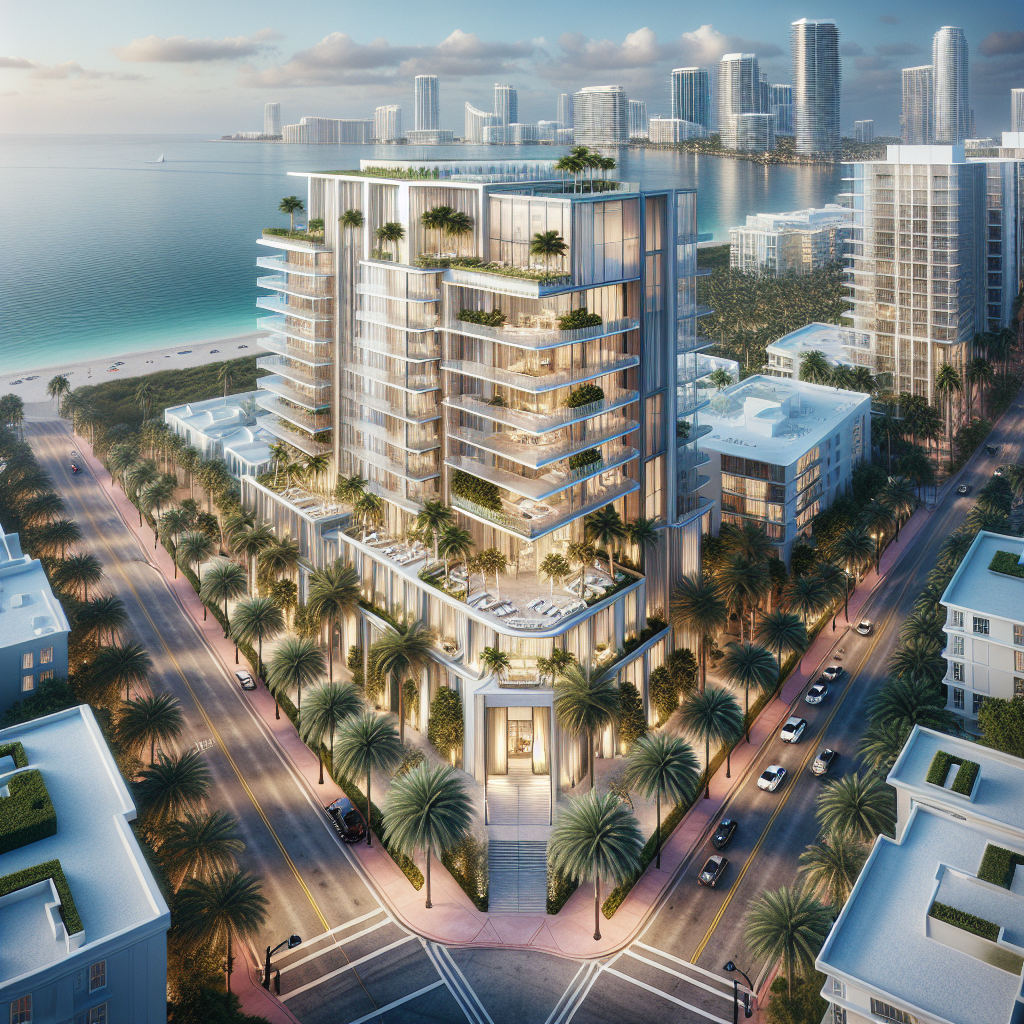
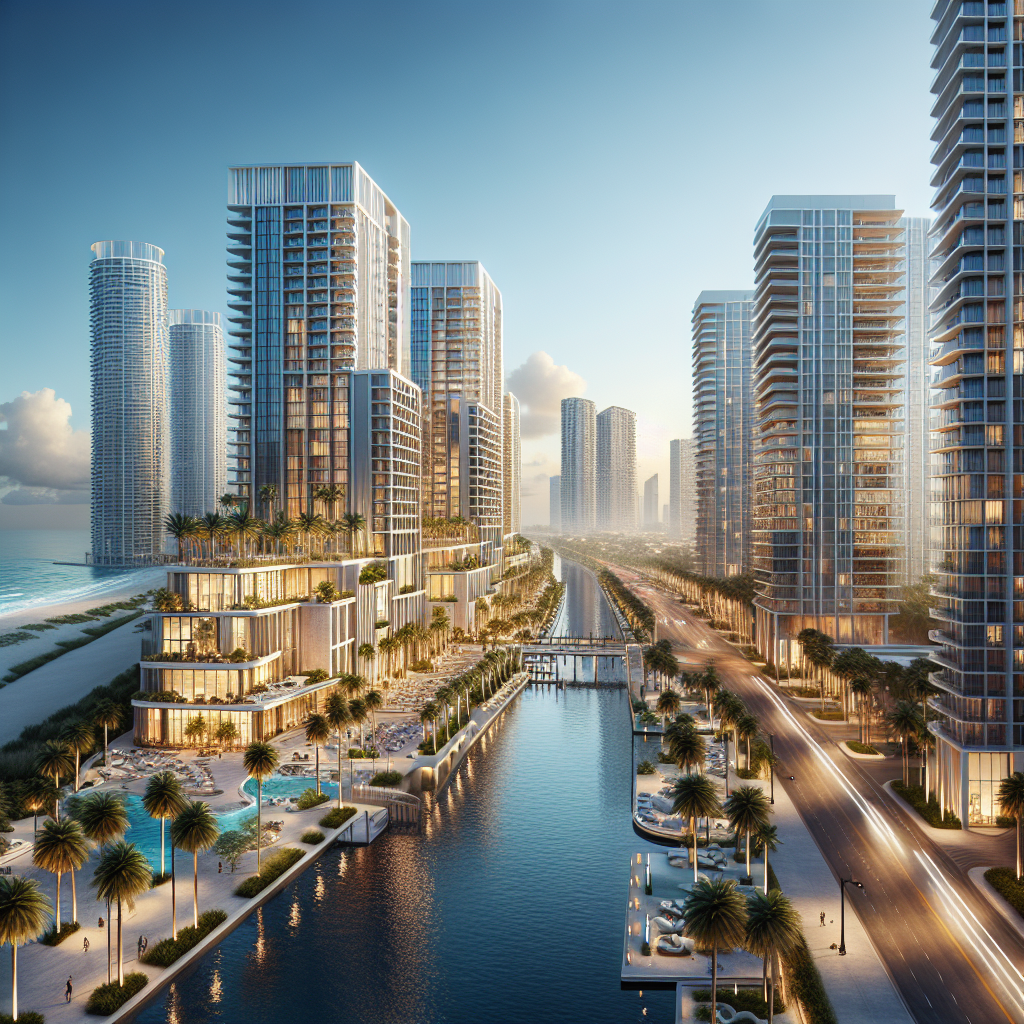
The architecture of these condos, adorned with sprawling balconies and floor-to-ceiling windows, offers breathtaking ocean views that should surely entice anyone. Yet for many current owners, the financial strains imposed by state laws are starting to overshadow these perks. The high-rise towers, once seen as golden nests of investment and pleasure, have become centers of concern for many unit holders facing increasing costs. The allure of the beach and vibrant community is still strong, but it’s being met with an undeniable apprehension about financial stability.
As I walk down Collins Avenue, the soft sandy beach glistening just beyond the gloss of palm trees swaying in the breeze, I notice that some residents who used to sit lazily by the pool are now engaged in serious discussions near the elevators. Conversations drift through the air, often revolving around recent notices that detail rising HOA fees. These escalating costs, influenced by the demands of Florida’s condo laws, are pushing many owners, who once enjoyed the ease of condo living, to list their units for sale. They are selling not just to move, but often to escape what feels like an inevitable financial burden.
In the pretty high-rises dotting Miami Beach, the trends aren’t much different. Many owners are feeling the squeeze from special assessments designed to fund necessary repairs or upgrades to common areas after years of deferred maintenance. Residents here are passionately connected to their homes, sharing their communities and responding to momentous changes. However, as fees soar—sometimes into the thousands of dollars—many have chosen to list their units, driven by both a sense of urgency and a need to reclaim financial control.
The truth is, each condo tells a story, both of its architectural elegance and of its residents’ lives within those confines. In Sunny Isles Beach, an exquisite penthouse overlooking the endless blue may draw a certain buyer’s attention, but they’re likely going to analyze every line item on the financials. Prospective buyers are no longer just captivated by the high ceilings or luxurious amenities. They want assurance that their investment won’t become a liability. The layout—be it an open-concept living space leading to a breathtaking balcony or a more traditional two-bedroom layout—takes a backseat to worries about future financial obligations.
Sometimes it feels as if this market transformation is almost palpable, visible in the way prospective buyers now approach their searches. Previously, they would focus on the latest kitchen upgrades or the most desirable surf-style décor. But these days, you can see them taking a closer look at financial factors, probing about reserves and future assessments as if they were considering a stock investment rather than a home. It’s a shift reflecting a more cautious lifestyle amid an evolving regulatory landscape that doesn’t feel as forgiving.
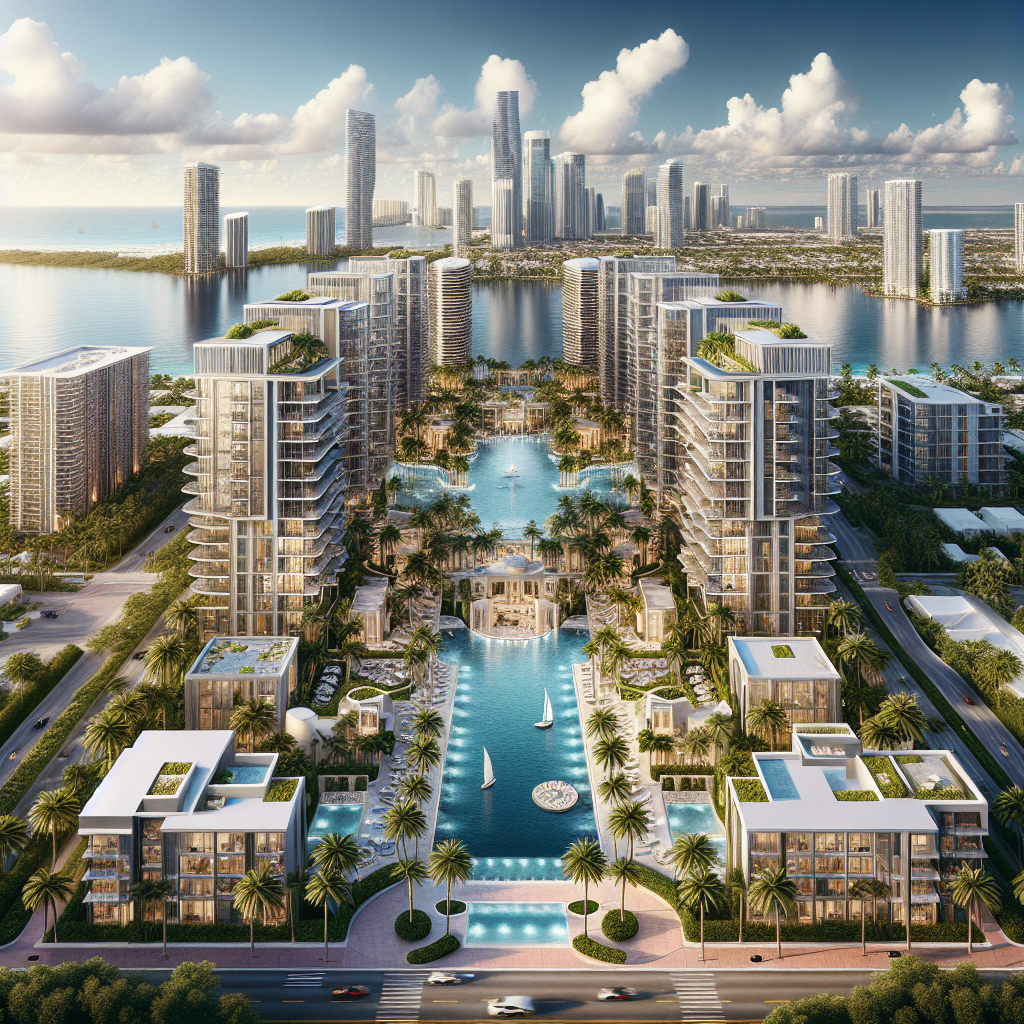
And let’s not forget about those captivating communal spaces—elegant pools, lush gardens, and well-equipped gyms that once promised luxury and indulgence. As owners find themselves grappling with economic uncertainty, the expensive upkeep of these amenities is becoming a burden that some can no longer carry. Instead of bright family gatherings and serene poolside afternoons, we might soon see quiet lounges and vacant sunbeds as units hit the market, many waiting and watching for more favorable conditions.
The vibrant energy that has characterized our streets is still here but tinged with a note of introspection. As real estate becomes intertwined with regulations and economics, the neighborhood feels the effects. I find it sobering to think about how these decisions will shape the demographic fabric of our community. With each condo sold, a change in tenant dynamics unfolds—new faces that may not be as deeply connected to our local vibe or who will treat their condos purely as investments rather than homes.
But it’s not all doom and gloom. I have faith in the resilience of our local market. Owning property in such an iconic location has inherent value, one that may lead to a rebound once owners find stability and clarity in their financial situations. The beauty of Sunny Isles Beach and Miami Beach won’t fade. For buyers with an eye for opportunity, there are still treasures to be found among the stalls of unit listings.
In the end, while Florida’s evolving condo laws continue to inspire caution, they also present opportunities for both sellers and buyers. Sellers are becoming sharper in negotiations, while buyers are learning to navigate a changing landscape with a keen eye on the implications of every financial commitment. It’s a delicate dance that tells the story of a community learning to adapt.
As we watch the real estate landscape morph, I remain hopeful. Selling during a tumultuous financial period may raise concerns, but it is also an invitation for fresh eyes to discover the beauty, charm, and potential that these condo units hold, both as a home and an investment. Sunny Isles Beach and Miami Beach stand as markers of resilience and future promise—hopefully, a lucid understanding of these changing dynamics can only strengthen our vibrant community.