Walking through Sunny Isles Beach on a bright Saturday morning, it’s hard not to notice the shift in energy. The usual buzz of excitement that thrums through the local real estate market is tempered now, and the once frenetic pace of buyers and sellers appears to be softening. Recent reports underscore this observation, hinting at a cooling of property values that may affect our vibrant corner of Miami-Dade County in ways we’re only beginning to comprehend.
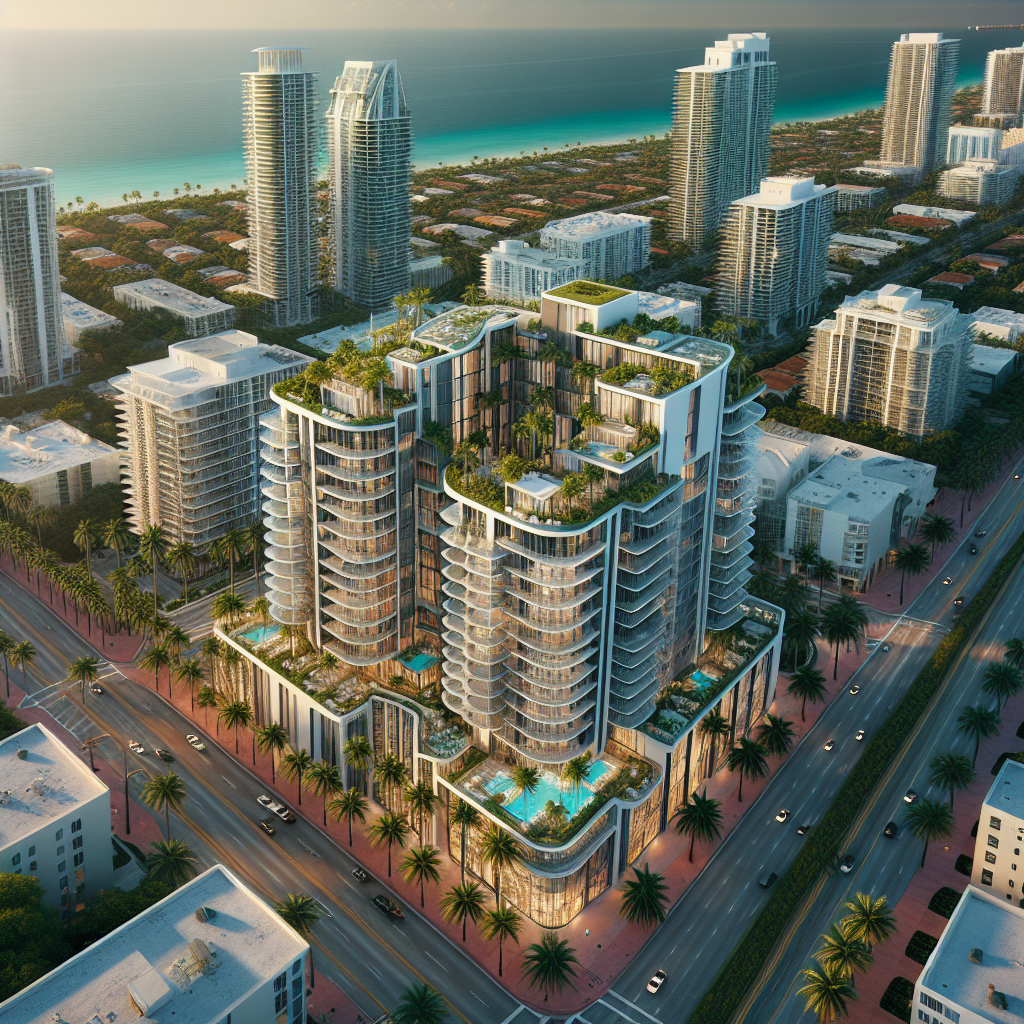
Consider a luxury tower like the Porsche Design Tower, known for its impeccable views and amenities like direct ocean access and a private pool on every terrace. Just a couple of years ago, these properties were flying off the market. People were clamoring for their slice of paradise, flaunting record prices and eager to settle into these opulent spaces. Yet, as I stroll past the marble-clad lobby, I sense a palpable change in the air. Where once there was a steady stream of prospective buyers, now I see the occasional curious passerby.
In Miami Beach, the iconic Art Deco district glimmers under the mid-morning sun, but even here—among the colorful facades and vintage charm—there’s a hint of hesitation. Properties like The Setai, which have long commanded attention for their exquisite beachfront location and lavish interiors, now sit a bit longer on the market. Buyers are becoming more selective, weighing the luxury lifestyle against shifting economic realities. It’s that classic dance of demand and supply, but the rhythm feels different these days.
One noticeable factor is the layout and design of the properties themselves. In places like Sunny Isles, the importance of open, sprawling floor plans and unobstructed ocean views can’t be overstated; these features have long been seen as paramount. Yet, with prices easing slightly, prospective buyers might be taking a longer look at not just the “wow” factors, but also the overall value proposition. They’re asking themselves if a sprawling penthouse at the top of a luxury high-rise is worth the substantial investment when similar properties are now available for less.
The amenities, long a significant draw, are also facing scrutiny. The once-coveted rooftop pools or exclusive beach access aren’t enough to win over buyers alone. They want to see tangible value, the kind that exists not just in lavish lobbies and infinity pools, but in the community surrounding the property. They’re curious about local schools, nearby dining hotspots, and the overall lifestyle that a neighborhood provides. The desirability of neighborhoods is evolving, and buyers in Sunny Isles Beach and Miami Beach are conscious of a broader picture that extends beyond the property’s walls.
Beyond the physical spaces themselves, we’re seeing local lifestyle shifts that impact property values. The pandemic has reshaped priorities. Many families are emphasizing larger spaces conducive to remote work, while investors may now be reconsidering short-term rental viability. The lure of a significant rental return that existed pre-pandemic isn’t quite as alluring in the face of economic uncertainty and the ever-changing landscape of travel and tourism.
What might seem like mere statistics to outsiders can feel much heavier for us locals. When a building like the Grand Beach Hotel, with its confluence of leisure and luxury, begins to see a decrease in occupancy, it’s not just numbers on a page; it’s our community that feels the effects. Local businesses that thrive off tourism, the lively cafés, grocery stores, and boutique shops, also face challenges when property values cool.
Moreover, as we look down Collins Avenue or the newly revamped beachfront appraised at a premium, the future may come with a cautionary tale. While the allure of high-rise living will never fade, it’s becoming clearer that the landscape may require adaptation. Developers may need to rethink offerings, perhaps putting more emphasis on family-friendly spaces or eco-friendly designs that resonate with today’s buyers.
You can’t discuss real estate without mentioning the power of location, and both Sunny Isles Beach and Miami Beach certainly have the upper hand there. Yet, with cooling property values, local awareness of surrounding development projects is growing. Are we opening doors to more luxury condos, or will zoning laws enable pockets of affordable housing that could ultimately reshape our neighborhoods? The direction in which these areas develop could hinge largely on how the market continues to respond to economic conditions.
As I retrace my steps back toward the shoreline, it’s clear that this cooling trend is more than just a statistic; it’s a tapestry of interconnected lives, dreams, and futures. For those of us who call these communities home, it’s about nurturing the vibrancy and beauty that make Sunny Isles Beach and Miami Beach unique. The cooling of the market might feel concerning, but it also brings an opportunity for recalibration, for ensuring that these neighborhoods remain places where families thrive and where the sun-soaked allure beckons without the weight of unattainable luxury hanging in the balance.
In the end, our real estate values might be adjusting, but the essence of living by the ocean, the warmth from the community, and the beautiful surroundings remain steadfast. This is a time for reflection, for understanding the value not just of high prices, but of happiness and stability in the homes we love. It’s a conversation worth having, one that defines us as residents of these sunny shores.


