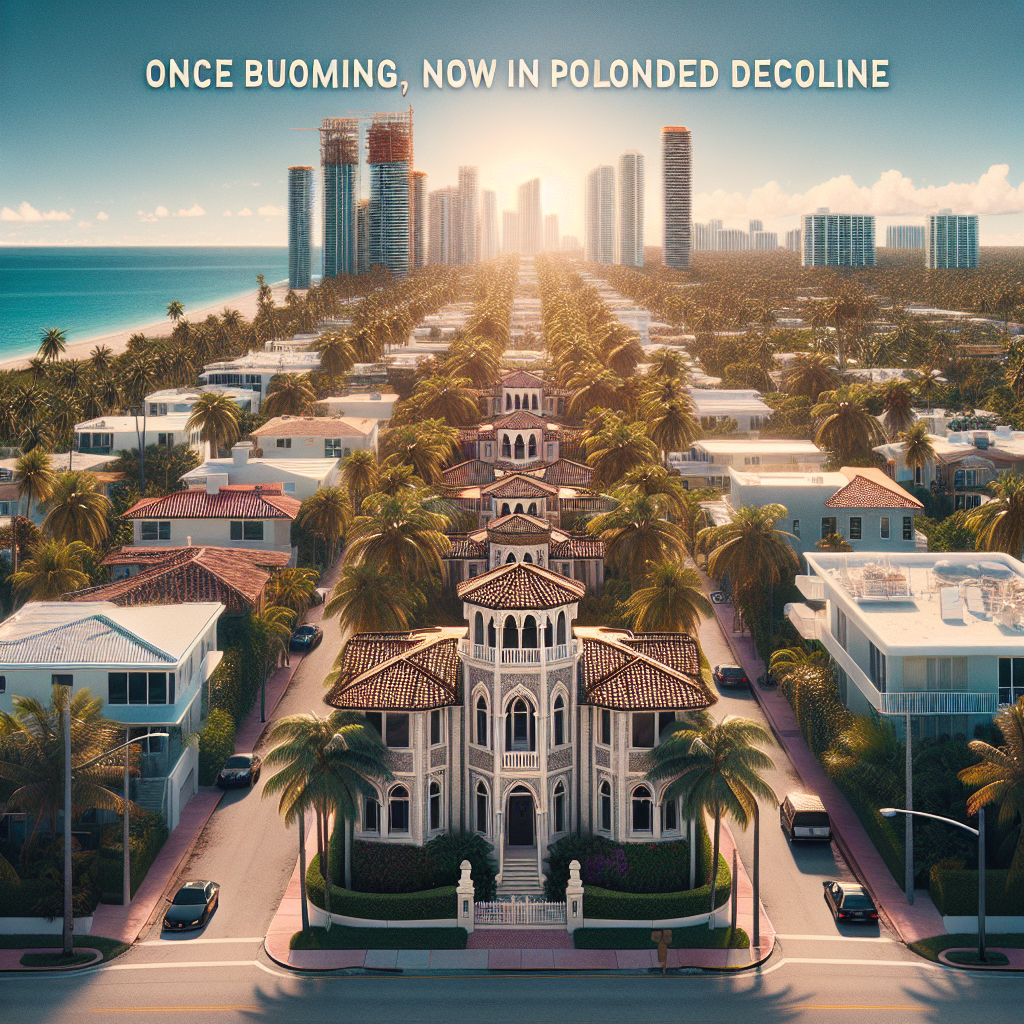
Walking through the sun-drenched streets of Sunny Isles Beach, there’s a noticeable shift in the ambiance compared to just a year ago. The vibrant energy that filled the lobbies of luxury condominiums and the bustling beach access points has dulled somewhat. Many locals, including myself, have been keenly observing the slow but unmistakable changes in our real estate market. Once the envy of buyers and sellers alike, the Sunny Isles and Miami Beach areas now echo with whispers of a market slump that stretches over several months.
The prominence of high-rise towers against the backdrop of the Atlantic was a hallmark of our area, symbolizing prosperity and growth. However, towering buildings like the Porsche Design Tower and the renowned Jade Beach are seeing less activity than before. Buyers who once flocked to these properties are now approaching with caution, closely examining factors they may have previously dismissed. The allure of a direct ocean view or exquisite amenities no longer guarantees swift sales or competitive offers.
One factor contributing to this shift is the rising interest rates that have started to cast a shadow on buyers’ plans. For many potential homeowners or investors eyeing a slice of the Miami Beach shoreline, the appealing financing terms of the previous few years have evaporated. As I stroll past the lush landscaping of the coastal developments, I can’t help but wonder how many prospective buyers are reconsidering their budgets and plans. The penthouses with expansive terraces and infinity pools, which were once practically a given on someone’s wish list, are now subject to more scrutiny and negotiation.
Additionally, the influx of remote work has changed the demographic of buyers in Sunny Isles and Miami Beach. No longer strictly seeking second homes, many new buyers are permanent residents in search of lifestyle over investment. People want ease of access to luxury living but also prioritize sensible layouts and flexibility in their living spaces. Unfortunately, properties that offer less functional designs—a layout that feels cramped, or bedrooms that don’t really maximize beach views—are increasingly sidelined. Buyers are more astute, preferring spaces that cater not just to a vacation vibe but to a year-round lifestyle.
This brings us to the vibrant community atmosphere that we’ve all cherished and sought for years. An active lifestyle that includes beach yoga at sunrise, sip-and-strolls through local cafés, and the convenience of popular retail spots has always been a draw. Yet, with the current market hesitation, some buyers are reevaluating location relative to lifestyle. Properties like the elegant Residences by Armani/Casa, which emphasize exquisite design and comfort, may be more appealing now than ever. High-end finishes, thoughtful layouts, and an enriching communal area may sway a buyer’s decision more than sheer square footage.
As I walk down Collins Avenue, I reflect on how social dynamics in real estate have shifted. Open houses might have once drawn crowds like a bustling party. Now, it seems they’re less peppered with enthusiastic buyers and more populated by curious onlookers. Locals suggest that many potential buyers are opting to wait things out, holding their cards close to their chests. Those who attend open houses may simply be there for an afternoon stroll, soaking in the breathtaking ocean views.
Also playing a role in this phenomenon is the seasonal aspect of Miami Beach real estate. Traditionally, the winter months saw a surge in transactions as snowbirds flocked to warmer locales. However, this year, that influx seems slower to materialize. Buildings like the famed Fontainebleau, where once buyers were eager to secure a unit for the season, are now adjusting their strategies, looking for ways to attract interest in a changing market.
Moreover, the fierce competition with new developments can no longer be ignored. High-end projects such as the planned sustainability-focused beachfront condos are not just lofty dreams; they are fast-tracking construction and introducing enticing living options. For a while, existing properties reflected higher values due to scarcity. Now, those prices seem out of sync with market realities, making decision-making for potential buyers even more complex.
Let’s not overlook how outside influences also play a role. Investors often keep a pulse on global economics. The current geopolitical climate may have them more apprehensive about committing capital to South Florida, despite its charm and appeal. Changes in international buyer behavior can sway the market dramatically, and for many, it feels like a calming sea before an uncertain tide.
The vibrant street life that once thrived around various trendy eateries and boutiques also resonates with the shifting trends in real estate. With less foot traffic comes less cohesion among local businesses—a ripple effect that certainly doesn’t go unnoticed. Potential buyers looking for not just a condo but an integrated lifestyle may start second-guessing their offers if they fear empty storefronts become an unwelcome standard rather than an exception.
As I stroll back down the beach, I can’t help but feel a mix of nostalgia and curiosity about where the market heads next. This changing landscape, with its peaks and valleys, reflects something inherently human. We desire links to community, vibrant lives, and homes that fit our evolving needs. The essence of Sunny Isles Beach and Miami Beach remains, albeit asking us residents and potential buyers to reconsider what we truly value in our coastal homes. Ultimately, those persistent waves keep crashing against the shore, whispering of new opportunities that lie ahead. Only time will reveal how we navigate these currents together.


