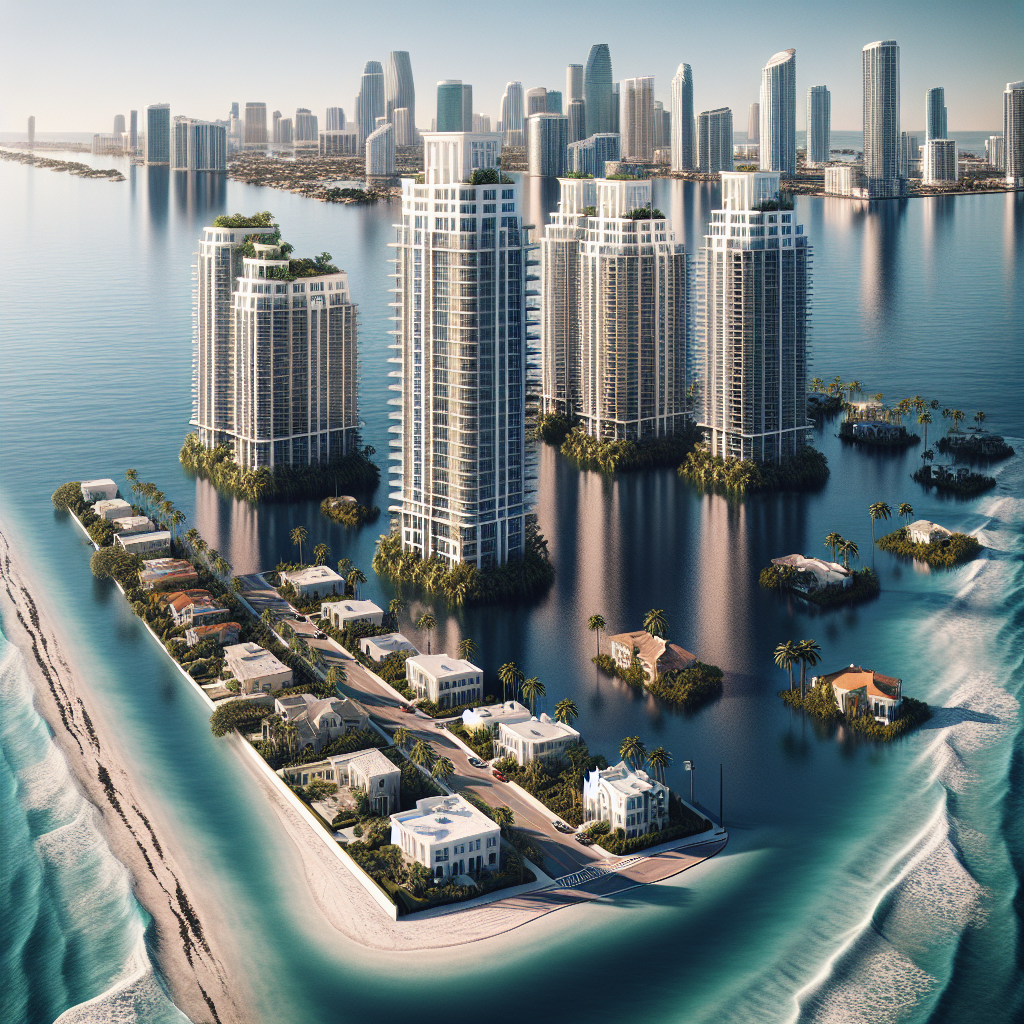
Walking along the sandy shores of Sunny Isles Beach, you can’t help but admire the dazzling skyline punctuated by luxury condos and beachfront towers. Yet, there’s an undercurrent of concern that ripples beneath the beauty. Buildings are sinking. It’s a thought that lingers while taking in the ocean views that seem almost too perfect to last. The reality of sinking structures—a phenomenon that’s suddenly become more pressing—has locals wondering what this means for not just our homes, but our way of life.
Imagine standing in the lobby of one of those high-rises, where opulence meets casual beach vibes. The marble floors glisten under the overhead lights, and the atmosphere hums with the chatter of residents and tourists alike. People move in and out, their lives intertwined with these towering structures. But how secure are these buildings as we grapple with rising sea levels and the gradual sinking of our ground? For those who live here or invest in Miami Beach and Sunny Isles Beach real estate, these questions hit close to home.
The design of many buildings reflects a modern sensibility, with sleek glass facades that offer unobstructed views of the Atlantic. However, behind that glass lies a growing concern about structural integrity. As sea levels rise, the ground beneath these architectural marvels is becoming less stable. Concrete, typically perceived as a symbol of durability, is now raising alarms as it sinks into the softening earth. While new constructions tend to incorporate modern engineering solutions, it’s the aging buildings that need immediate attention.
Take, for example, the luxurious condos along Collins Avenue. The views are breathtaking, and the amenities speak to an aspirational lifestyle—a heated pool overlooking the ocean, a state-of-the-art gym, and private beach access. But ponder this: how many stories would you sacrifice for increased safety? There’s a tension between desire and practicality. Would you still invest in that oceanfront unit if you knew it might not occupy the same solid ground five years from now?
The local real estate market is noticing a shift in buyer behavior. Many prospective homeowners are increasingly inquiring about the structural integrity of buildings, the effects of climate change, and how local regulations may be evolving in response to these challenges. Conversations are becoming more nuanced, moving beyond just granite countertops and walk-in closets. Today’s informed buyers want details on flooding history and the building’s elevation above sea level.
As we stroll past newly constructed luxury towers in Miami Beach, it’s clear that they are being designed with future resilience in mind. Elevated entrances and enhanced drainage systems are becoming standard features. Buyers today are not just investing in a slice of paradise; they are investing in peace of mind. The architectural details that once seemed secondary to stunning ocean vistas now hold a higher significance. In this market, a unit on an upper floor may not just provide majestic horizons but also a measure of safety above potential flood levels.
And it’s not just buyers that are feeling this weight. Property owners are taking steps to understand their investments better. There are dedicated meetings at homeowners’ associations addressing these concerns. People want clear communication from their buildings’ management about how ongoing assessments are being conducted and what renovations may need to be prioritized to maintain long-term value.
Sunny Isles Beach, with its multicultural charm and vibrant atmosphere, is knitted together by its bustling streets and beach access. But beneath that vibrant surface lies the question of sustainability. Will the luxury market continue to thrive when the very ground it stands on is in jeopardy? Many locals, comfortable in their routines, are beginning to view these buildings through a critical lens. The stunning design and dynamic lifestyle may be a part of the allure, yet the reality of climate change marches forward, prompting deeper reflection and tougher questions.
Take the iconic buildings along the beach—each boasts unique architectural styles that define the area. Yet, as sea levels creep higher, one can’t help but ponder how aesthetic appeal will hold up against physical certainty. Will the allure of the Miami Beach lifestyle fade as concerns about structural safety rise?
As we gather around oceanfront fire pits at sunset, local residents discuss more than the latest social happenings; these conversations often gravitate towards real estate, future enhancements, and environmental impact. The community aspect remains strong, nurturing a sense of ownership not just for their homes but for the future of the neighborhood. When a building sinks, so too does a piece of our collective identity.
Simply gazing at the beach may no longer suffice. We find ourselves needing tangible updates and reassurances about our investments. Community members are more engaged, turning to local city council discussions that address infrastructure and sustainability initiatives. Whether through innovative building techniques or revised regulatory standards, it’s clear that our neighborhood is awakening to challenges previously swept under the rug.
As you walk between the palatial residences and cozy cafes, the fragrance of salt in the air serves as a reminder of our coastal paradise—and its vulnerabilities. Buildings that were once considered symbols of permanence are now entangled with the complexities of climate realism.
Reflecting on the challenges we face, one thing is certain: the conversation surrounding the sinking buildings of Miami-Dade, particularly in Sunny Isles and Miami Beach, is a vital one. From architectural choices to community actions, our approach will shape the future of these stunning locations.
As we navigate this landscape transformed by both beauty and vulnerability, let’s stay engaged. Educated. Prepared. The questions will continue, but perhaps that’s what makes this corner of the world so engaging and so beautifully intricate. And perhaps, in the answers, we will find a way to adapt and thrive.


