
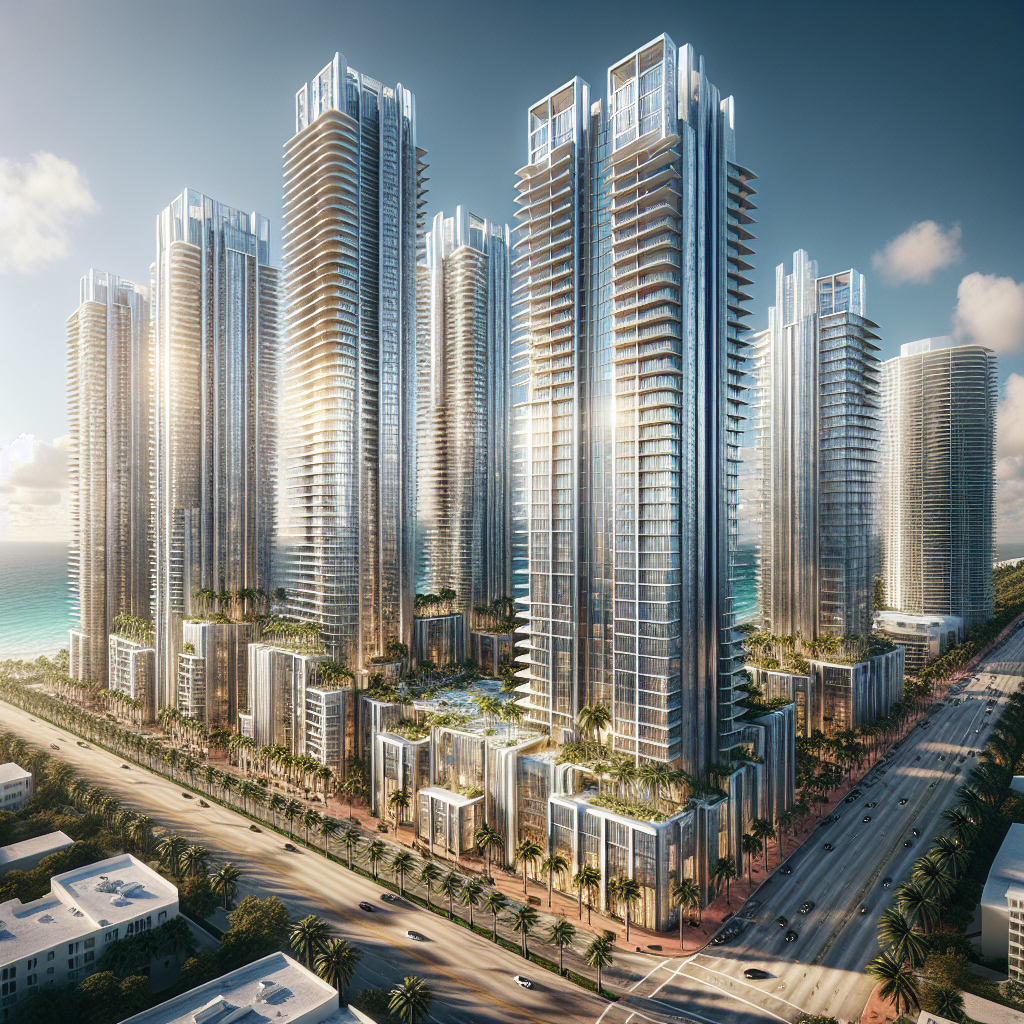
In the heart of Miami Beach, it’s hard not to feel the vibrant pulse of life that flows through the pristine streets, highlighted by the sun-kissed ocean. As I stroll along Collins Avenue, the elegance of sunny high-rise buildings captures my eye. Yet, beneath that glossy veneer lies an unsettling reality: some of these luxury towers are literally sinking. Despite this, the allure for affluent buyers shows no signs of waning.
Take a moment to consider Sunny Isles Beach, an area that has become the crown jewel of the Miami coastline. The high-rises here aren’t just about reaching for the sky; they represent a lifestyle where opulence meets the sea’s embrace. Developers have created spectacle after spectacle—glass-fronted edifices rising against the blue, offering unobstructed views of the Atlantic. But as they boast of luxury, there’s the undercurrent of concern regarding sustainability and structural integrity.
The ongoing challenges of sea-level rise and land subsidence are part of a story that’s been unfolding quietly. Dwellers in luxury condos like the Porsche Design Tower and Turnberry Ocean Club are aware of these realities. The fact is, many residents choose to overlook such concerns because the lifestyle here is simply unparalleled. The proximity to the beach, designer boutiques, and gourmet restaurants creates an irresistible draw.
I’ve witnessed countless prospective buyers walk through the lobby of a luxurious building such as the Sunny Isles’ Acqualina. The moment they step inside, the rich marble floors and plush furnishings seem to transport them to another world. Conversations buzz about the stunning views and top-tier amenities—think concierge services, lavish pools, and spa facilities that rival any five-star resort. The aesthetic is mesmerizing, but the underpinning issues are quietly ringing alarm bells in the background.
Interestingly, the architectural beauty and upscale amenities often distract from the environmental issues at hand. The generous layouts with floor-to-ceiling windows are not just about style; they’re designed to enhance the living experience. Buyers appreciate how the natural light dances across the interior during those golden hours, presenting not only a home but an experience. Yet, behind that experience is a real conversation about the impact of climate change on this coastline.
The buyer behavior we see today, despite environmental concerns, suggests a distinct lifestyle preference. Many of the affluent buyers are seasoned investors who often have multiple properties and are well-informed about market trends. Some even engage with local real estate agents to navigate this evolving landscape responsibly. They understand the investments they make here are not as simple as acquiring a property—they’re investing in a lifestyle and, for some, a legacy.
Moreover, the enticement of undergoing renovations or customizations within these high-rises can be appealing. Buyers often dream of expansive terraces that open to sweeping views while sipping their morning coffee. They envision evening gatherings where the sunset backdrop makes for the perfect canvas. With such memorable experiences at stake, it’s easy to see why they might be willing to overlook the ground below.
Beyond just individual units, the sense of community in Miami Beach plays a significant role in attracting buyers. The neighborhoods pulsate with energy. The frequent cultural events, art shows, and culinary festivals make the area a hub for those who enjoy a rich social life. An evening stroll along the beach, past the art deco buildings, evokes a sense of belonging that draws individuals to want a piece of this vibrant tapestry—regardless of the high-rises’ sinking concerns.
As a community, we often meet these challenges with ingenuity. Buildings are now being designed with raised foundations, drainage systems, and other features meant to combat water infiltration. Innovations like sea walls and sustainable landscaping practices are becoming more common, making the luxury towers not just opulent but also partially resilient.
While it may seem paradoxical that wealthy buyers continue to gravitate toward properties in areas experiencing these challenges, it reflects a deep complexity. Affluence often shields individuals from immediate threats, leading many to see acute concerns as long-term problems better tackled over time, rather than as deterrents right now. Many sincerely hope for progress to be made before their decisions lead to dilemmas.
Sunny Isles Beach stands today as a microcosm of broader conversations happening globally about luxury, sustainability, and climate change. As we forge ahead, conversations among developers, buyers, and city officials will shape the future of these magnificent towers. It’s a delicate balance, where beauty and risk intertwine, making these high-rises more than just residences, but symbols of our resilience.
Ultimately, it’s the blending of spectacular living spaces and the challenging realities beneath them that make the experience of returning home to one of Miami Beach’s luxury high-rises deeply layered. Each day unfolds with the promise of sunsets over the ocean, while a watchful eye remains on how we collectively navigate the waters of both beauty and impending challenges. As we stand amidst this evolving landscape, the decision to invest in Sunny Isles Beach reflects not just a desire for luxury living, but perhaps an unshakable hope for a promising future against the tide.


