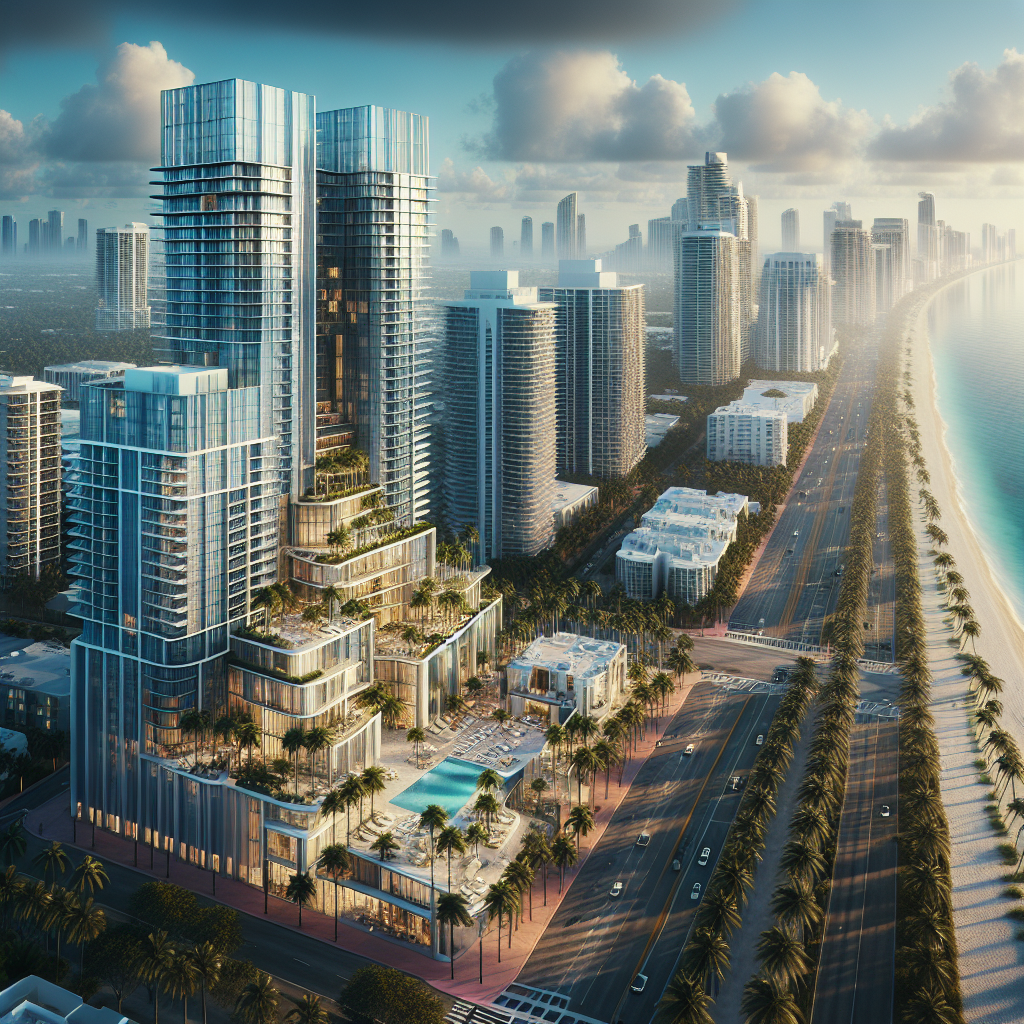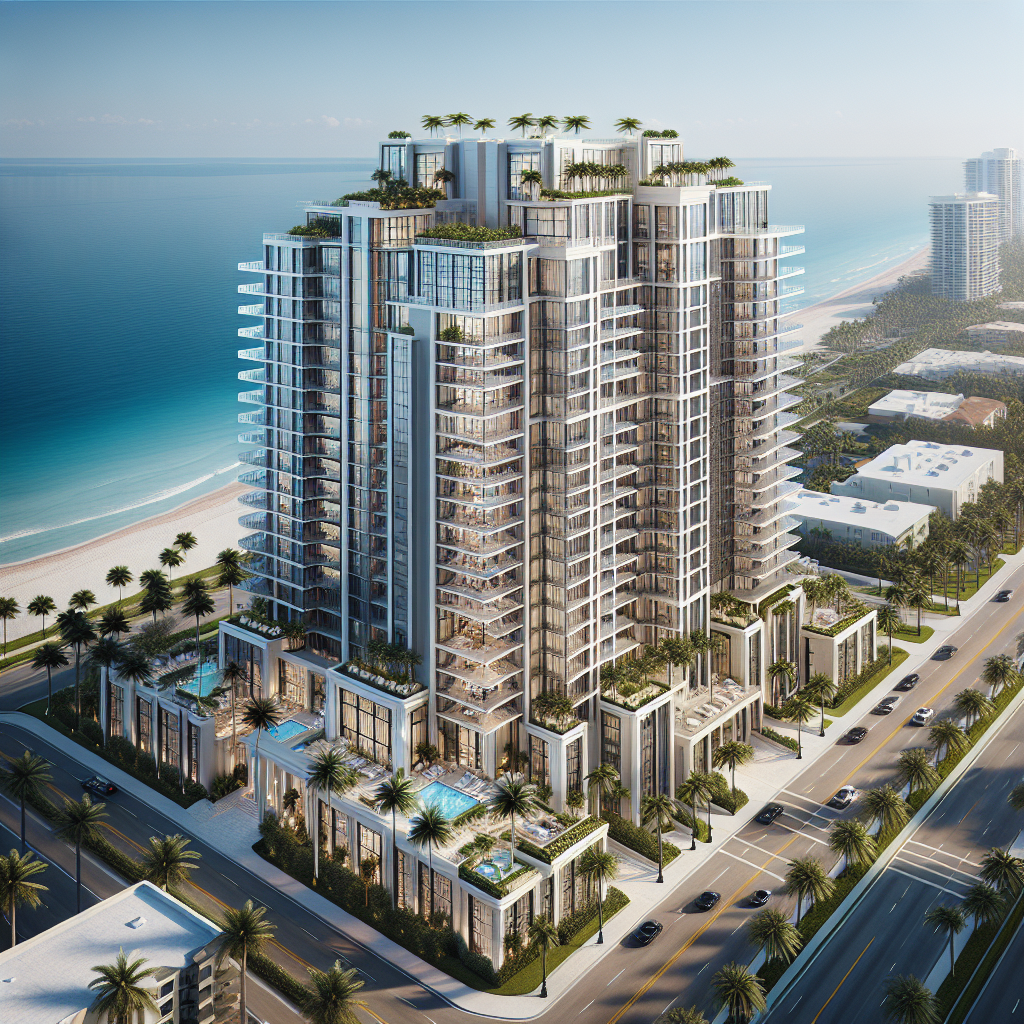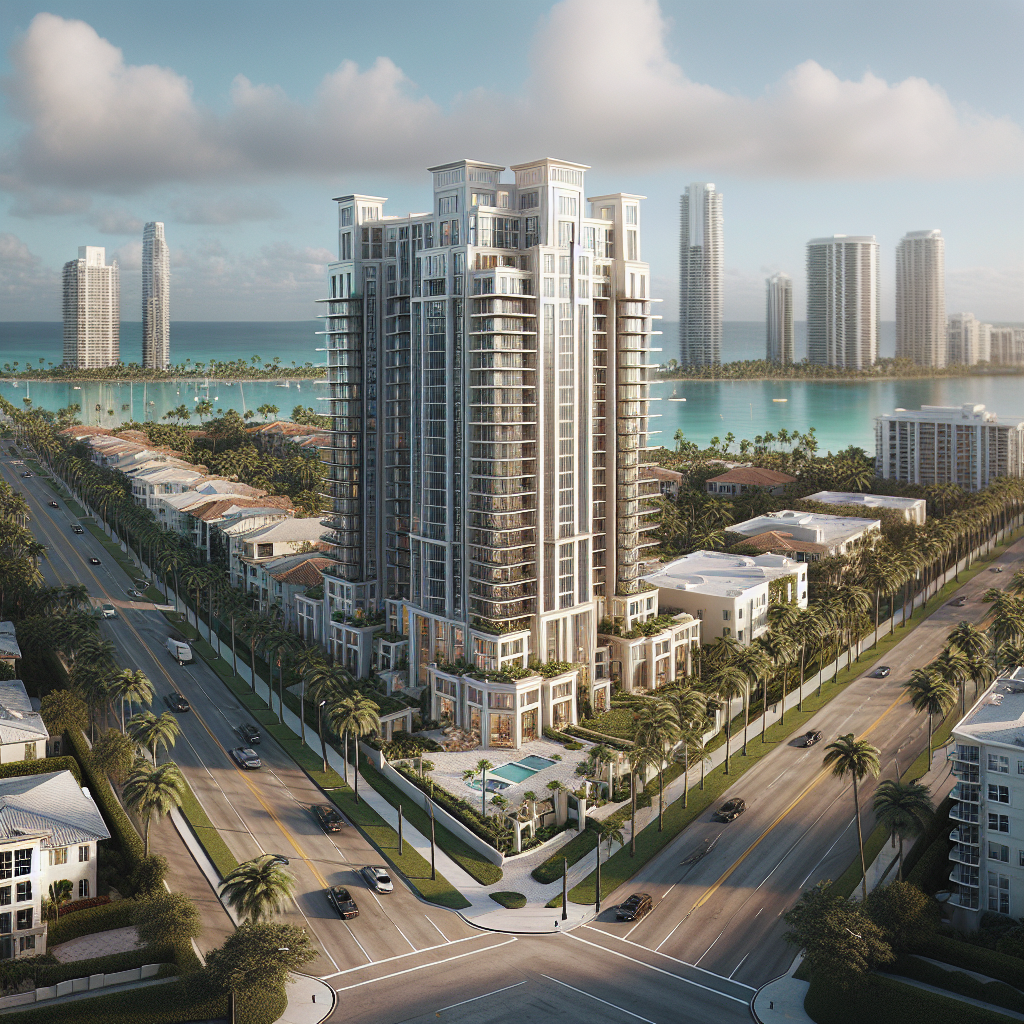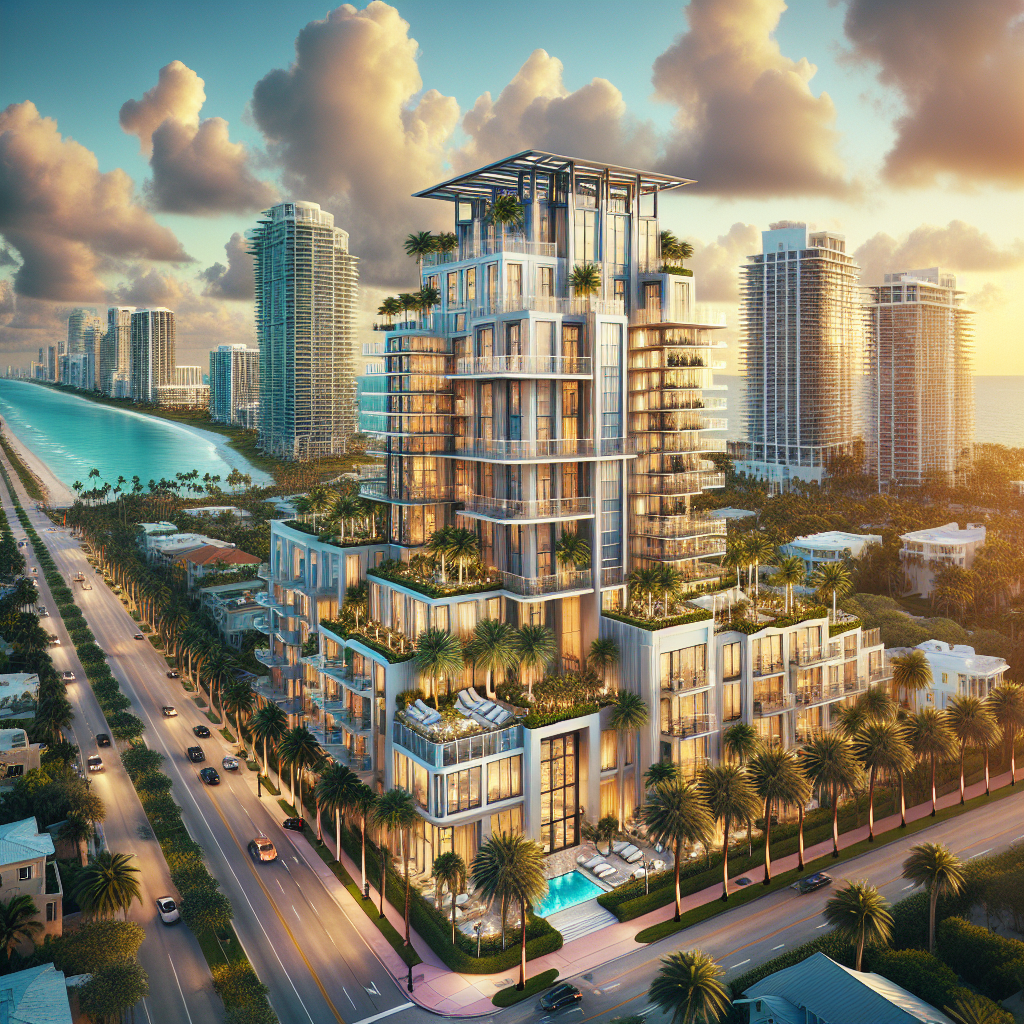
Walking along Collins Avenue, you can practically feel the pulse of Miami Beach’s real estate market. The distinct rhythms of buyer activity, the scent of salt air, and the glitz of luxury towers are an intoxicating mix. Recently, news broke that Cirrus, a prominent player in the local property scene, faced a significant setback when they were outbid in a bankruptcy auction. This loss amounted to a staggering $18 million more than their previous winning bid. For those of us keeping a keen eye on the property dynamics in Sunny Isles and Miami Beach, this is more than just a number; it’s a reflection of the evolving landscape of luxury real estate in our unique neighborhoods.
When a player like Cirrus stumbles, it reverberates across the market. Their previous acquisition, which they hoped to transform into yet another luxury high-rise, set the tone for how we perceive investment opportunities here. Buyer behavior in this area is particularly nuanced; many are not just looking for a home but a lifestyle—sun-soaked days, swanky nights, and the breezy, relaxed vibe that is quintessentially Miami. The properties here aren’t just bricks and mortar; they symbolize a destination, a specific way of living that appeals to affluent buyers longing for a slice of tropical paradise.
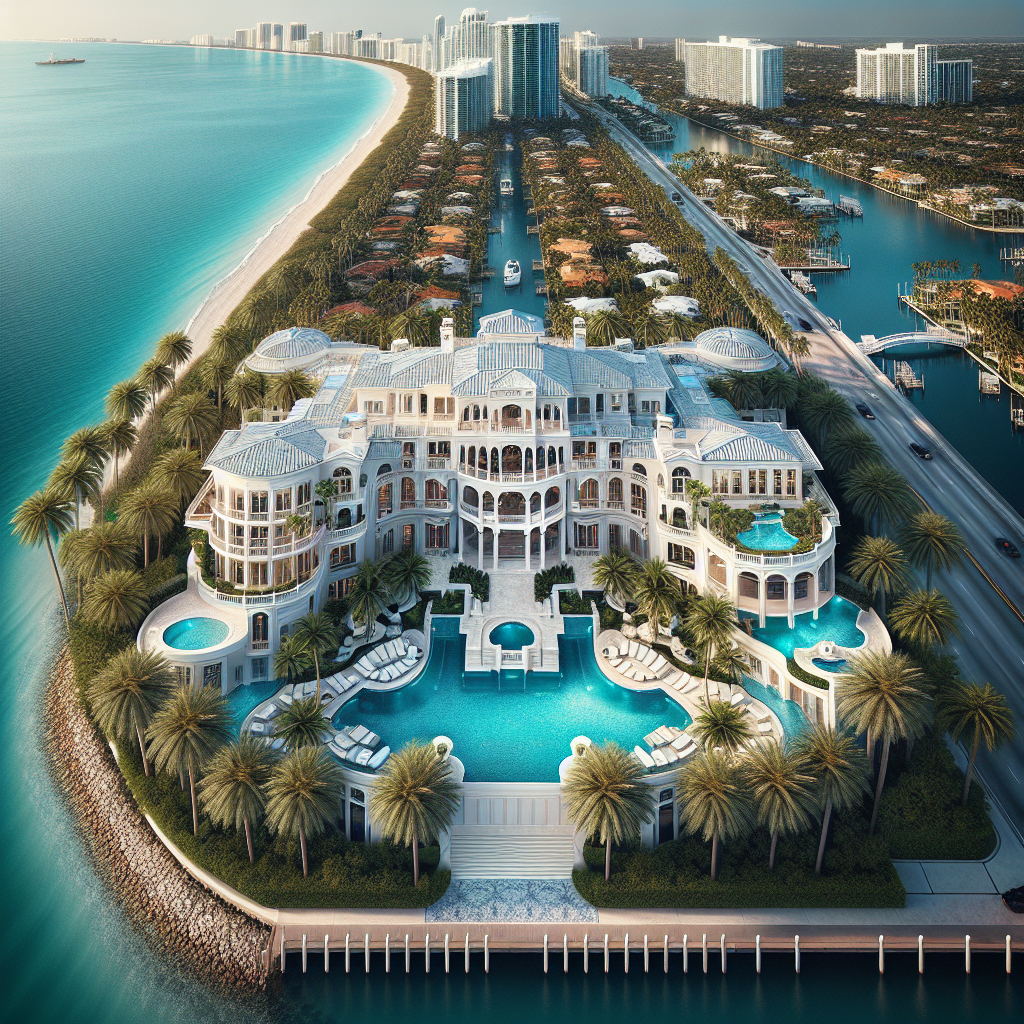
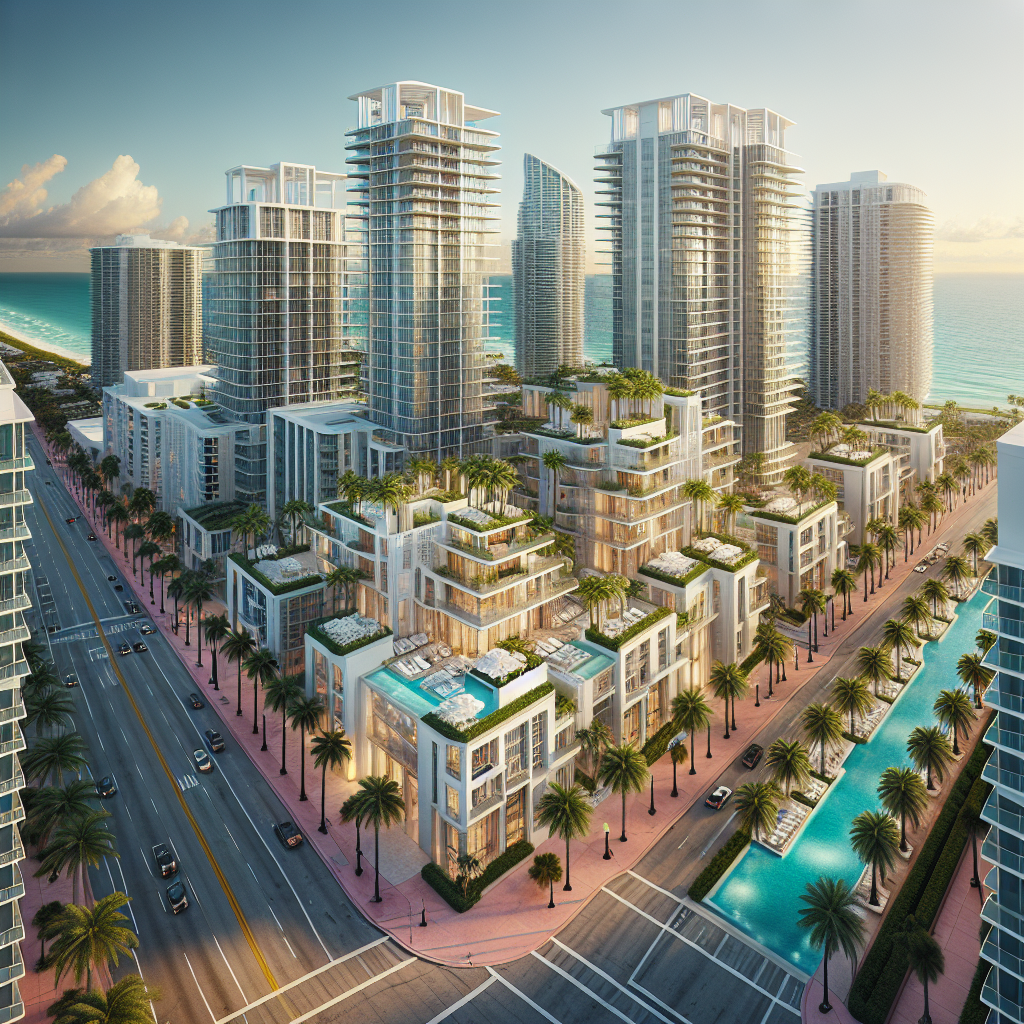
As I walk by the beach access points near these condos, I notice how vital these outdoor spaces are to potential buyers. At places like St. Tropez or the Acqualina Resort, having dedicated beach access isn’t just about convenience; it’s about the life that unfolds around that experience. A visit to Sunny Isles Beach shows that this community thrives on the energy of its beachfront. With Cirrus missing an opportunity to secure prime real estate, the dynamics are ripe for other investors to swoop in, recognizing the value of being seconds away from the sun and sea.
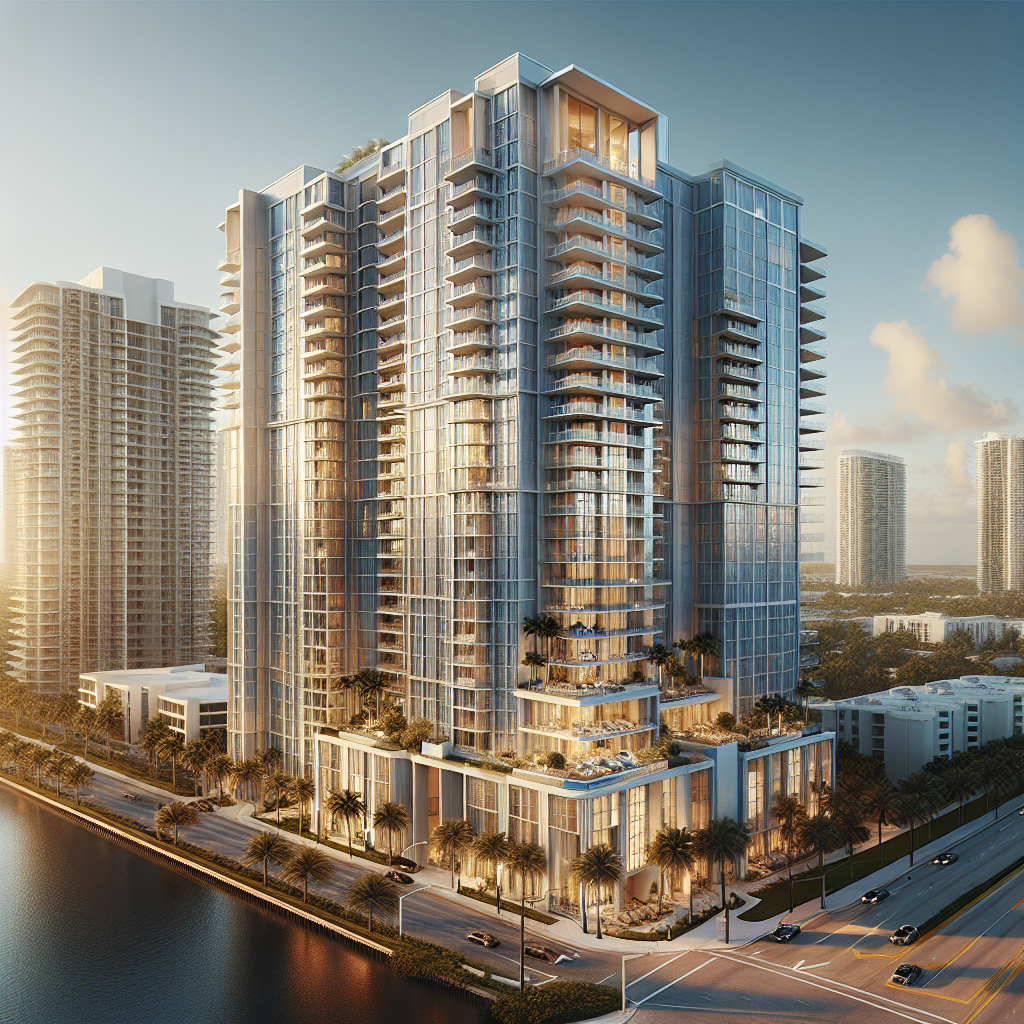
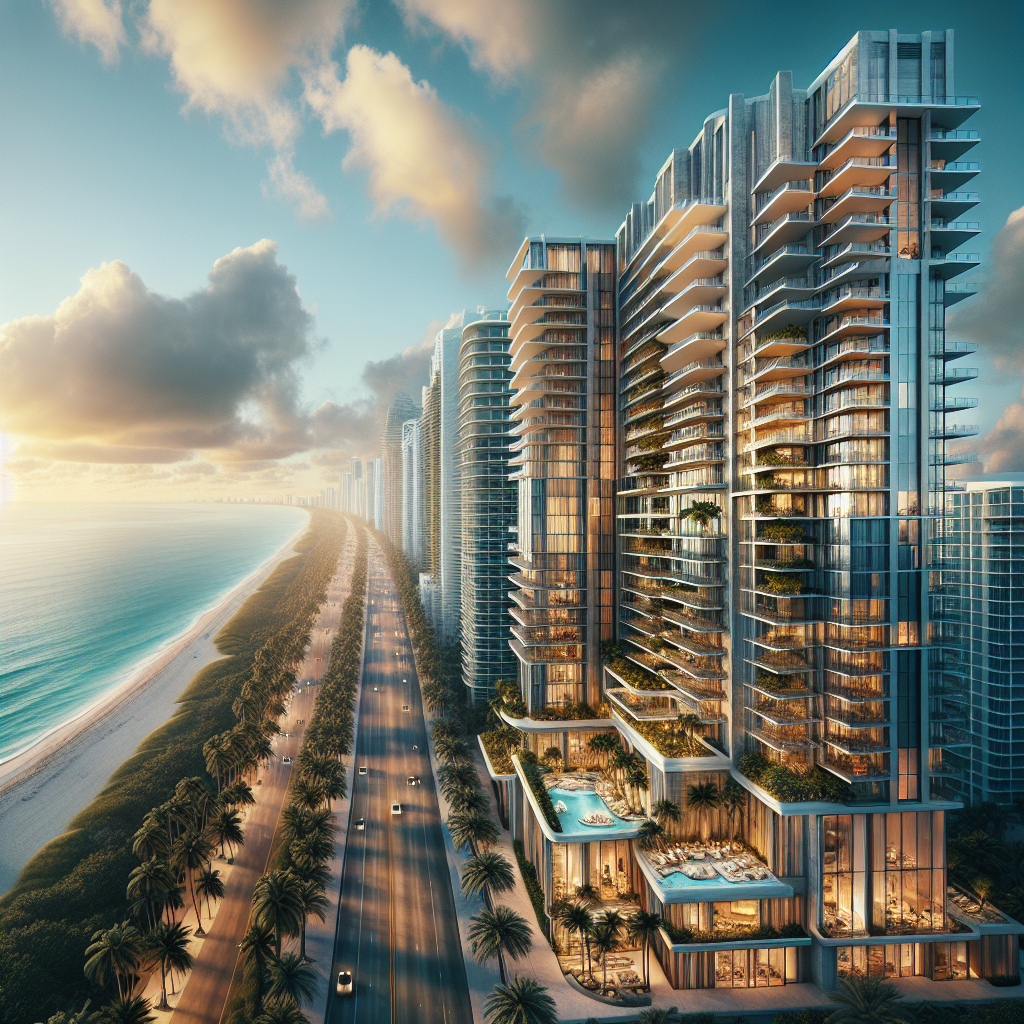
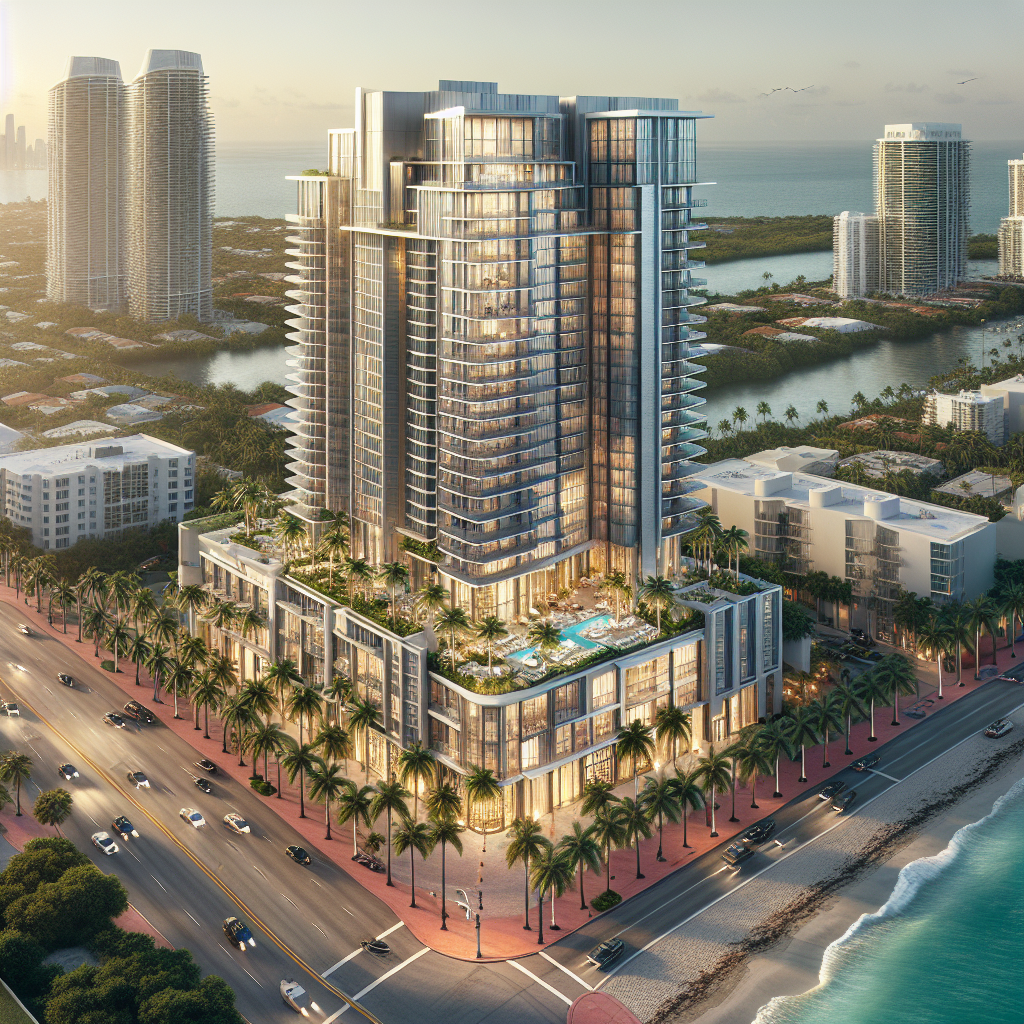
Moreover, the architectural design of many properties in this area plays a pivotal role in shaping buyer preferences. The ultra-modern aesthetics of buildings like Jade Beach or the classic luxury of the Trump International Beach Resort create distinctive vibes that attract different clientele. Cirrus’s stumble in this auction reflects a deeper understanding of not just price points but what these buildings represent. Buyers today are looking for immaculate views, expansive terraces, and floor plans that maximize natural light—features that are intrinsic to Miami Beach’s unique appeal.
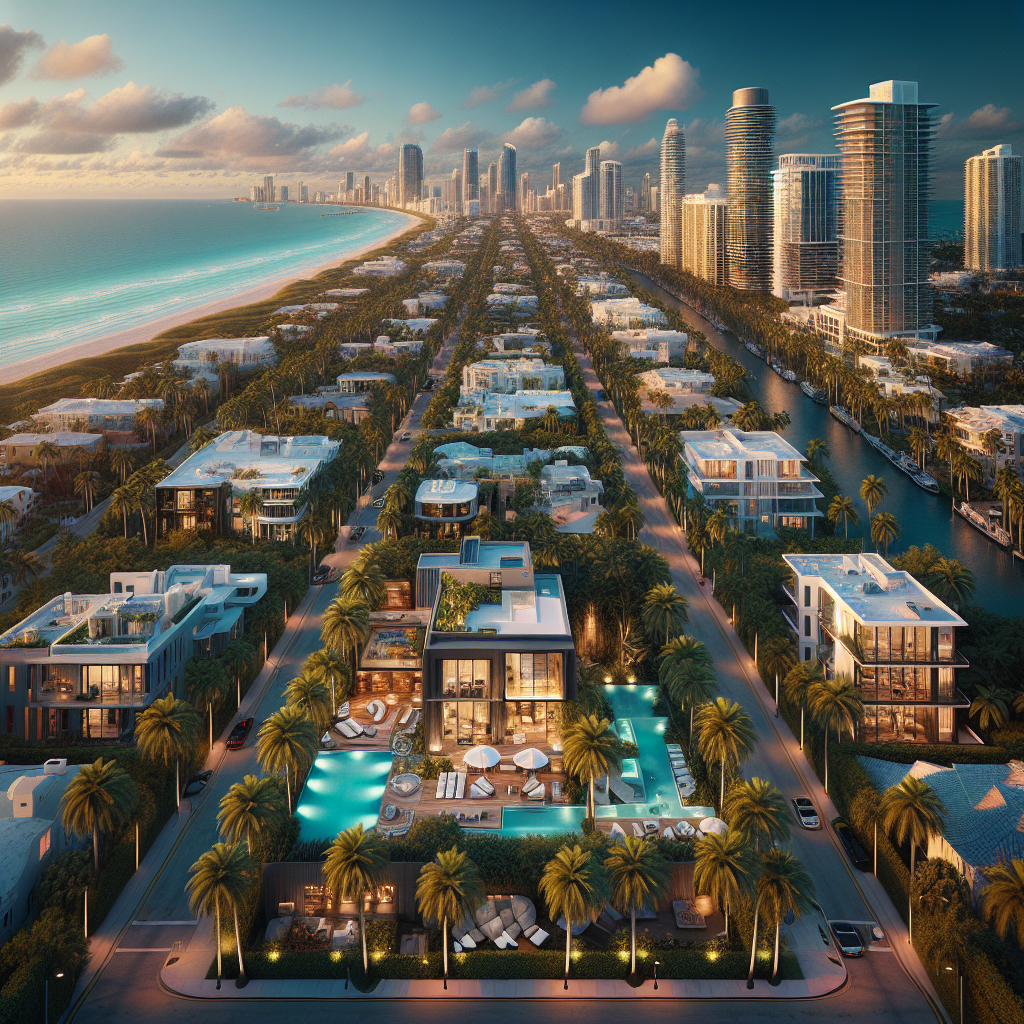
The market is also influenced by how well local neighborhoods coordinate or clash with each other. Walking around, you can quickly discern the different energies: the vibrant, upscale vibe of Bal Harbour contrasts sharply with the more familial atmosphere found at places like Golden Beach. The neighborhood you choose to invest in speaks volumes about your intended lifestyle. This is essential context for that $18 million loss. Were buyers reading the room and sensing an energy shift in the attractions nearby, or were they drawn to the amenities offered by the competing bidders?
Cirrus’s miss opens up new possibilities for others. Maybe a newer developer, with an innovative vision or an eye for community engagement, will seize the opportunity to revitalize the space. It’s easy to overlook how crucial these community connections are when high rises line the beachfront. Yet, the appeal often hinges on a community lifestyle—walkable curves of the beach, easy access to charming cafes, or even the energy of local cultural offerings. The property market thrives on these subtleties.
Interestingly, potential residents today are often looking beyond mere luxury. They are asking questions about sustainability, community, and connectivity. In Miami Beach, where the sun shines bright and life unfolds in a vibrant, lively manner, buyers appreciate contemporary finishes. They’re increasingly interested in how these elements blend with an eco-friendly lifestyle, sustainable design, and local culture. As these shifts in values emerge, developers need to pay attention to buyer sentiments—something Cirrus may have underestimated.
As we reflect on the implications of the recent auction, it becomes clear that real estate in Miami Beach isn’t purely transactional; it’s deeply personal and closely tied to the lifestyle choices individuals make. The recent events surrounding Cirrus encapsulate this sentiment beautifully. Their loss is not just a financial setback; it’s a reminder of how swiftly the tides can turn in this vibrant market.
Looking ahead, this moment opens a conversation about how the luxury segment of our real estate genuinely caters to the communities they inhabit. For all the glimmer of high-end condos and extravagant ocean views, it’s worth noting how deeply the fabric of community can influence property values and business decisions. The essence of Sunny Isles and Miami Beach isn’t just in the opulence but the authenticity and connectivity of its neighborhoods.
As we move forward, won’t we all be intrigued to see how other developers creatively fill the void hit by Cirrus’s recent auction flip-flop? What new ideas will rise from the ashes, and how will this market continue evolving? Each layer adds more texture to our beloved Miami Beach and Sunny Isles. I’m eager to watch it unfold, as this will no doubt shape our environment and the lives lived within it for years to come.
In closing, the real estate news isn’t solely about figures and facts; it’s woven into the very life we enjoy here. The vibrant energy of our neighborhoods and the homes we occupy are worthy investments—not just financially, but for the rich tapestry of experiences they cultivate. The story is far from over, and I’m sure it will continue to surprise us.