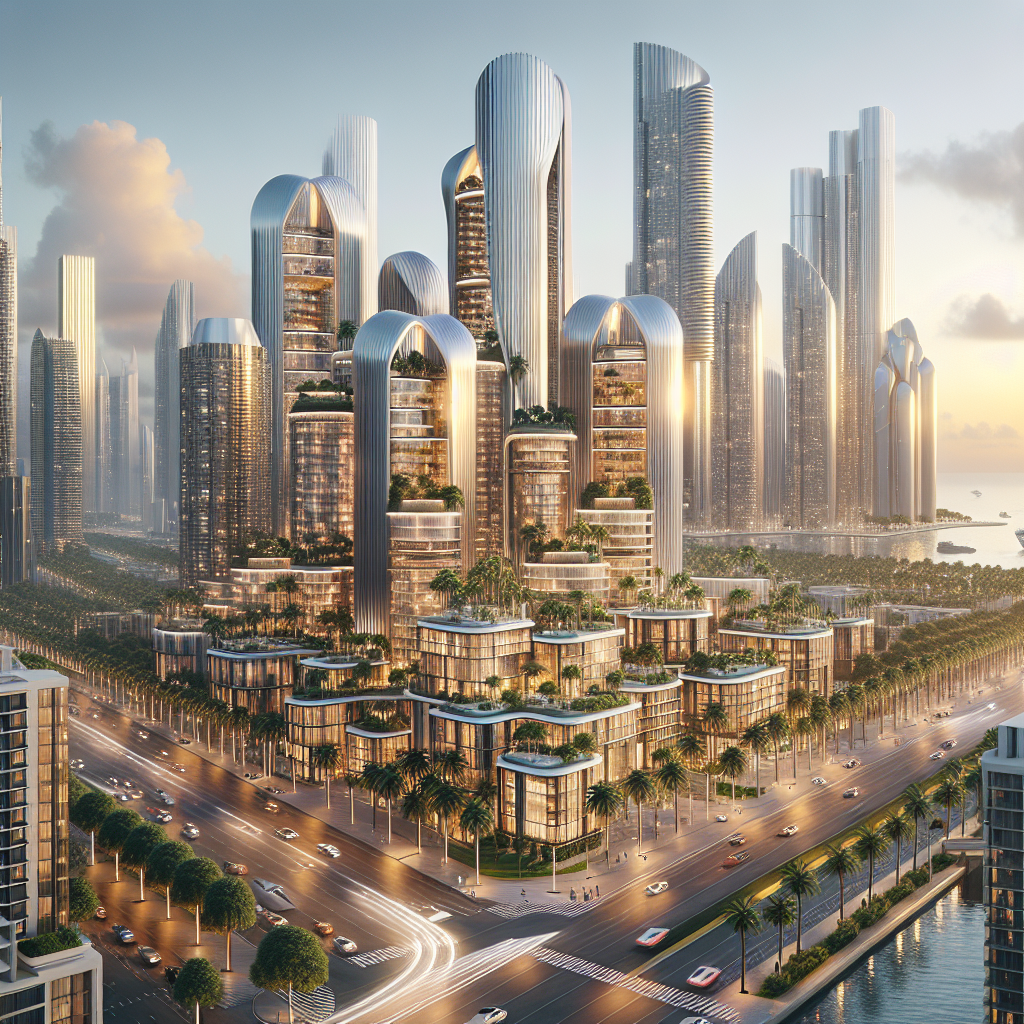
As I strolled along Collins Avenue, the warm, golden Miami sun bathed the towering condos of Miami Beach in an inviting light. It was refreshing to see the energy around properties like the Faena House and the recently completed 400 Alton, where high-end buyers are more than eager to invest, indicating a vibrant market ahead for developers thinking about 2026. The buzz of prospective buyers analyzing luxurious oceanfront views, upscale amenities, and immaculate lobbies is palpable, and it speaks volumes about the kind of lifestyle that Miami Beach embodies.
In these prime waterfront locations, architecture tells a story. Take the sleek lines of the new Onda Residences in Sunny Isles Beach. This intimate boutique building not only brings a contemporary touch but also an elegant design that harmonizes seamlessly with its surroundings. These intimate yet striking residences are a direct reflection of what future buyers are looking for: exclusivity combined with accessibility. As developers plan for 2026, understanding these local preferences will be vital. It’s not just about building homes; it’s about creating spaces that resonate with potential owners’ dreams and aspirations.
The layout of a unit can make or break its marketability here. Large balconies capturing panoramic ocean views are non-negotiable. In Miami, outdoor space is an extension of the living area, something buyers have come to expect. It’s not simply an added attraction; it’s part of the lifestyle. People want to seamlessly blend indoor and outdoor living. As I watch locals enjoy their morning coffee on spacious terraces, it becomes clear that developers must prioritize these features. A condo that feels like a personal retreat rather than just a transaction will stand out in an increasingly competitive market.
Even more significant are amenities tailored to a modern lifestyle. Working from home has become a norm, and properties that offer dedicated home office spaces, robust internet infrastructure, and wellness centers resonate well with today’s buyers. The fitness centers should feature state-of-the-art equipment, and rooftop pools should offer serene lounging spots paired with breathtaking views. Local developers should capitalize on these preferences, perhaps looking towards the amenities at the similar high-end acquisitions such as The Setai or the W South Beach to refine their future projects.
Location cannot be underestimated. Miami Beach and Sunny Isles Beach are not just about sea and sun; they’re about lifestyle. The pulse of the local culture is what makes these neighborhoods so attractive. Proximity to high-end dining, buzzing nightlife, and shopping can sway buyers who are conscious about what their lifestyle entails beyond their home. Developers should think about enhancing the experiential component of their sales pitch. A unit should not only be sold but should also be presented as part of a larger, vibrant community.
Then, let’s not forget the impact of sustainability. With increasing environmental awareness, eco-friendly designs and energy-efficient technologies are becoming more attractive to discerning buyers. Innovations such as solar panels, green roofs, and responsibly sourced materials will not only appeal to the eco-conscious but could garner the goodwill of the market. Developers looking forward must consider how to embed sustainability into their projects to align with future consumer values.
When it comes down to the final pitches, glitzy marketing campaigns may not always win the day. A genuine connection to the community and an understanding of what local living looks like can trump flashier competitors. It’s about showcasing a way of life, sharing stories that resonate with buyers’ experiences, and making them feel like they’re not just purchasing real estate but a home. Developers should also engage local artists and brands to create spaces that feel alive, reflecting the character of the community and generating an emotional connection that marketing materials alone cannot achieve.
Looking a few years ahead, I see a real opportunity for thoughtful developments in both Sunny Isles Beach and Miami Beach that go beyond mere sales. It’s a chance to shape future buyer experiences, ensuring each condo isn’t just a residence but a refined lifestyle choice deeply rooted in local culture. Collaborating with skilled designers, builders, and community stakeholders can reinforce this perspective, allowing for authentic developments that resonate with current and future buyers alike.
In 2026, as developers consider the landscape of Miami real estate, the focus should be on creating well-executed, meaningful, and visually stunning spaces. By paying genuine attention to national trends woven into the local fabric, addressing buyer behavior, and placing value on the lifestyle and experiences associated with the coastal community, they can position their projects as not merely luxury condos but as sought-after destinations for discerning homeowners.
As I set out on my walk reflecting on these observations from the nadirs of Miami’s real estate, it feels comforting to know that a thoughtful, passionate approach by developers can significantly influence the feeling, essence, and character of our community. And as we look toward 2026, the collective opportunity remains clear: real estate here is about shared dreams, vibrant lifestyles, and creating lasting connections to a place we love.


