
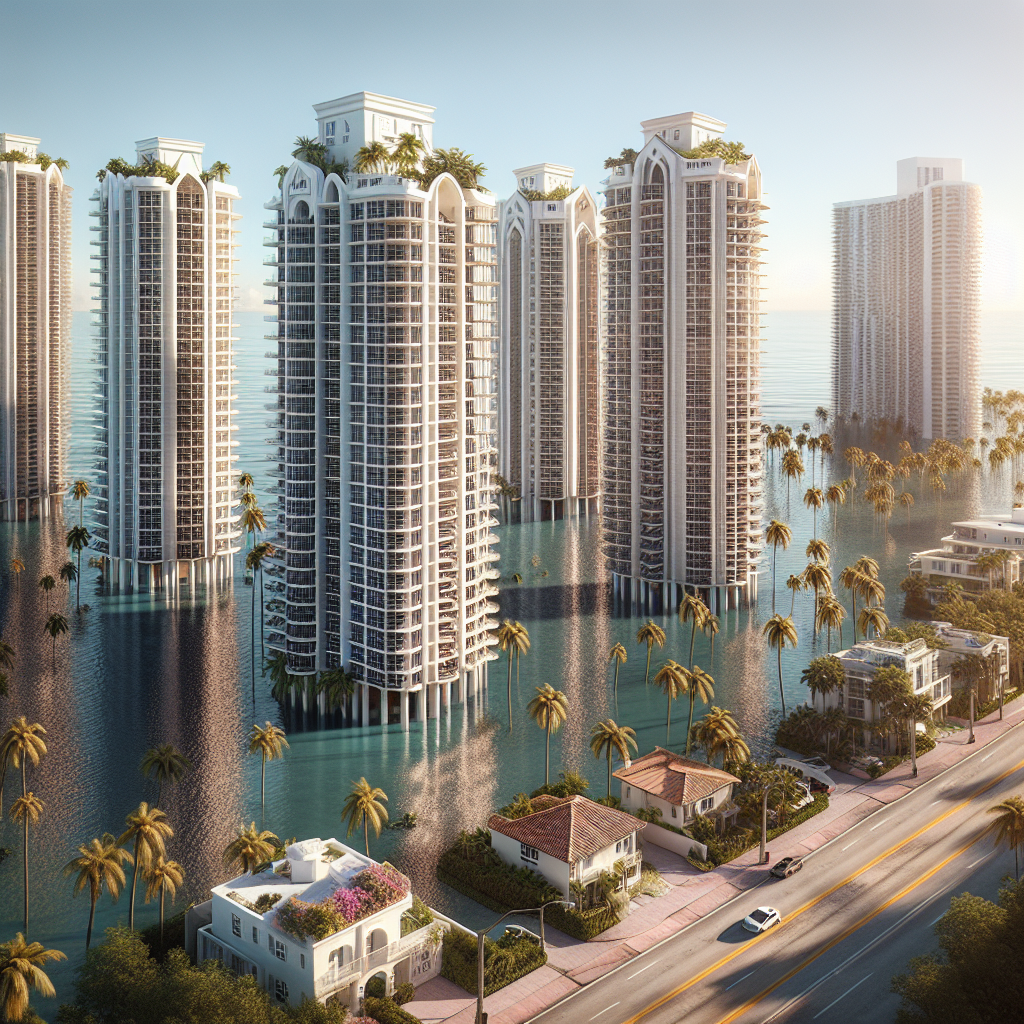
Towers in Sunny Isles Beach create a striking contrast against the azure sky, their sleek angles and glinting glass surfaces reflecting the sun-drenched waters below. As you stroll along Collins Avenue, it’s hard not to be drawn into the allure of these high-rises. However, beneath their seemingly sturdy facades lies a pressing issue—many of these towers, including some of the most luxurious condos, are sinking more than engineers originally expected. This situation has become a point of concern among locals, buyers, and real estate enthusiasts alike.
When you think of Sunny Isles Beach, images of lavish beachfront properties and opulent amenities spring to mind. But with the recent data revealing that some structures are settling at unexpected rates, the perception of these majestic columns changes. I often see families and couples wandering through the lobbies of these luxurious towers, the air thick with the scent of fresh flowers from the impressive arrangements. Conversations veer from which oceanfront view is the best to the reliability of the building’s construction. And while the views are undeniably stunning, the fear of structural integrity looms in the background for many potential buyers.
Take, for instance, the Acqualina Resort and Residences, which is often regarded as the crown jewel of the area. Its Italian-inspired design captivates, but will the beautiful facades continue to be a selling point as the ground beneath them shifts? Beyond the surface beauty, it has become crucial for residents and real estate agents to understand what lies beneath, both literally and figuratively.
In Sunny Isles Beach, amenities often define the luxury experience. Pools that stretch toward the ocean, spas with an array of therapeutic services, and private cabanas that promise relaxation all serve to entice buyers. Yet, as whispers of instability circulate, the question arises: how much do these luxuries compensate for concerns about sinking foundations? The captivating architectural flourishes may become secondary to ensuring safety and reliability for residents.
The design of these towers plays a significant role in how they respond to shifting soil and changing tides. Engineers are increasingly scrutinizing foundational methods and materials as the realities of coastal living become apparent. Newly constructed buildings, such as the stunning M Collection, seem to be built with these issues in mind, utilizing more robust design strategies. However, what happens to the older buildings? The demographics of buyers in this market often lean toward those seeking second homes or investment properties. But as awareness grows about these structural concerns, potential investment strategies may shift, with buyers asking more pointed questions about the long-term viability of each property.
In many conversations in Sunny Isles, it seems the allure of the luxury market is waning as buyers recalibrate their expectations and priorities. They’re increasingly interested in not just breathtaking vistas but the reassurance of stability. Developers and real estate agents face the challenge of presenting their buildings as havens of tranquility, while maintaining transparency about potential issues in an environment where the ground is literally always moving.
As we delve into the architectural marvels of Sunny Isles Beach, we must also consider how design interfaces with the natural world. The waterfront properties are designed to provide sweeping views that draw residents outdoors, but increasing concerns about climate resilience and long-term safety force us to re-evaluate priority features. For example, the ocean-view balconies that make the units so desirable might come with a hidden cost, as coastal erosion and expected flooding change the landscape of home-buying discourse.
The lifestyle in Sunny Isles Beach is undeniably vibrant—one can frequently see lively outdoor cafes filled with locals enjoying their meals while basking in the ocean breeze. But amidst this picturesque setting, the realization that some towers are sinking affects the atmosphere. Residents who once relished the exciting pace of beachside life now find themselves caught in a balance between charm and caution.
Real estate investment tools often cater to a sunny narrative, yet the realities of ownership in such unique environments cannot be overlooked. Recent reports showing the extent to which towers have settled may stir up apprehension. During open houses or showings, buyers are becoming more inquisitive, wanting to know about the building’s engineering reports alongside the common expense budget and local association rules.
As beachgoers lounge beneath swaying palm trees and the sound of waves crashes rhythmically in the background, the beautiful imagery competes with underlying concerns. The local market’s energy remains dynamic, but there is a gentle shift towards favoring transparency. Buyers are seeking not just luxury but peace of mind, aiming for a stable investment.
With the real estate landscape in Sunny Isles Beach constantly evolving, while the allure of oceanfront living still captivates, the dialogues surrounding these towers risk shifting dramatically. Local residents have long understood the delicate dance between luxury and practicality. Now, the emerging narratives challenge us to rethink how we value our homes in a changing environment.
As we navigate through these developments, it’s imperative to remain attentive and engaged with our surroundings. Each visit to our beloved Sunny Isles Beach reminds us that while its towers rise toward the skyline, the sands below are shifting. The true question will be how we collectively adapt—ensuring that elegance and security walk hand in hand through these captivating coastal streets.


