
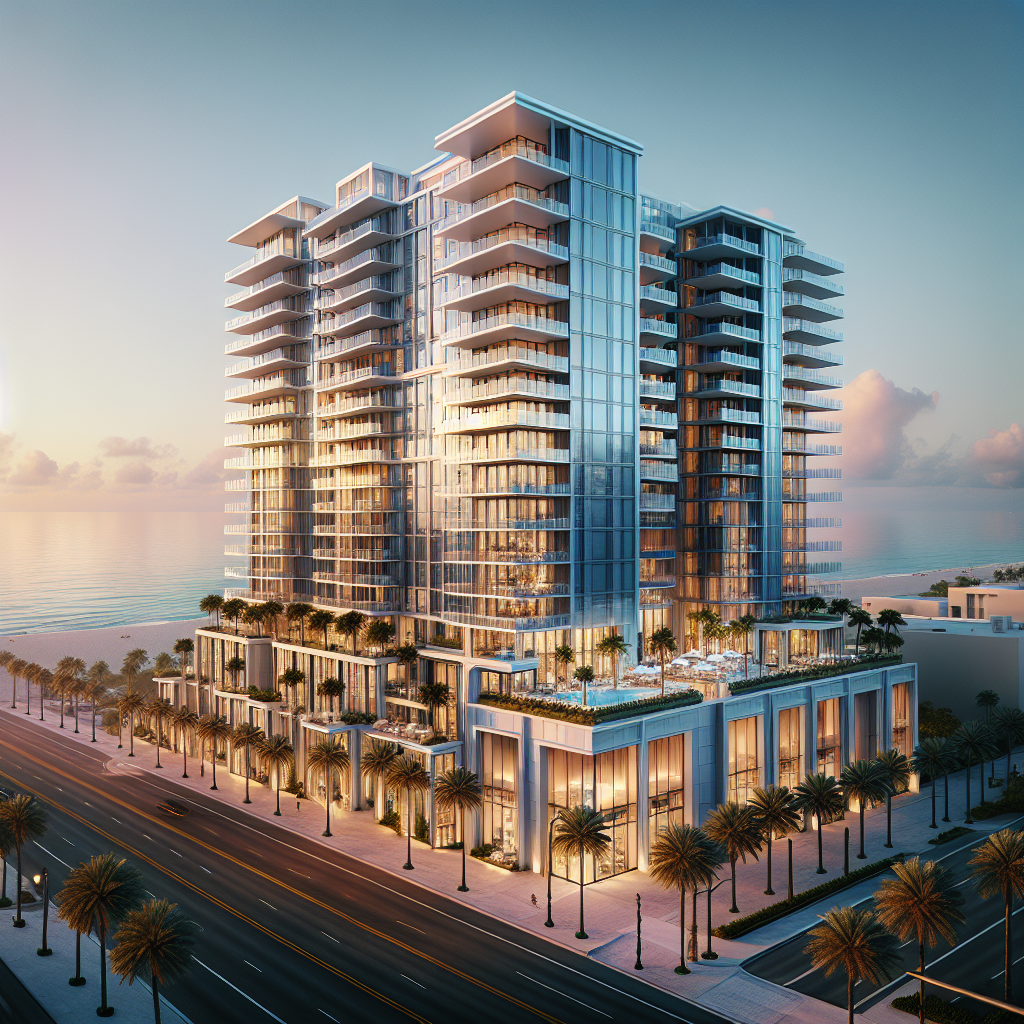
Walking along the scenic boardwalk in Sunny Isles Beach, it’s easy to get caught up in the beauty surrounding me. The shimmering Atlantic Ocean sparkles under the sun, and the gentle sound of waves lapping against the shore is both soothing and invigorating. However, amidst this picturesque setting, there’s an unmistakable tension that locals can sense—an ever-growing number of high-rises and an ever-burgeoning population filling the barrier island. This dense development, while economically beneficial to many, comes at a considerable cost that we are only beginning to understand.
Take a stroll down Collins Avenue, and you’ll see it firsthand. Towering luxury condos like the Porsche Design Tower and the Estates at Acqualina appear almost defiantly against the horizon. Each structure stands as a testament to both architectural ambition and the relentless human desire for oceanfront living. Buyers are attracted not only by the alluring ocean views but also by amenities such as expansive pools, wellness centers, and private beach access. Yet, as these buildings rise, so do the questions about sustainability and the long-term viability of living in such environments.
In Miami Beach, the situation is similarly dynamic. Buildings like the Faena Hotel and the lavish Edition Hotel speak to a lifestyle that’s hard to resist. But with every new project, there’s a collective sigh from residents who wonder about the environmental implications. Are we simply cramming more people and buildings onto a delicate ecosystem? The beaches are beautiful but fragile. The reality is that every new condo means more traffic, more strain on local resources, and more noise pollution. The sweet sound of the ocean can sometimes be drowned out by construction and urban hustle.
One of the whispers circulating among locals is that this relentless growth could soon overshadow the very reasons many of us fell in love with these beach communities in the first place: their charm, local character, and a sense of space. The real estate boom is not just about selling property; it’s about community and lifestyle. But at what point does the influx of luxury condos become too much? The balance between development and preservation is growingly delicate, especially given the area’s vulnerability to sea-level rise.
The architectural styles that dominate our skyline tell a stark story. Many of the newer structures feature glass facades that seem to shimmer, often drawing admiration for their modern aesthetic. However, some of us find ourselves mourning the simpler, more intimate buildings from decades past that fostered a sense of connection to our environment. There’s a profound joy in a slightly older low-rise building where neighbors actually get to know each other, share moments, and build a tight-knit community. In contrast, the sleek, tall towers seem to isolate their inhabitants, with residents seldom engaging beyond their chic lobbies.
Walking through the polished interiors of contemporary spaces, one can’t help but notice the overwhelming emphasis on opulence—marble floors, high ceilings, and expansive glass walls that open to breathtaking ocean views. However, as beautiful as these finishes may be, they often come at a high price for buyers. Many struggle with the financial burden of living in these elite spaces while contemplating what that lifestyle truly offers. Are they trading convenience for a sense of community?
The influx of wealthy buyers has dramatically changed the calculus for local families and long-time residents. For them, Sunny Isles Beach and Miami Beach used to represent an attainable dream with its charming beachfront cottages and modest apartments. Now, as prices skyrocket due to luxury developments, many find themselves pushed out. The very fabric of our neighborhoods is at risk of fraying, threatening the vibrant local culture that gives our communities their unique flavor.
What does this mean for the future? Local parks and few remaining community spaces are seeing more foot traffic, a sign that many are searching for some semblance of connection amid the concrete jungle. People are increasingly valuing places where they can gather, engage, and feel part of a community—a reaction against their reality of living more isolated lives in high-rises that could barely be called homes.
Furthermore, environmental concerns loom larger than ever. As we pack more buildings onto these barrier islands, issues surrounding water management, waste disposal, and protecting our natural surroundings become increasingly pressing. Flooding is no longer just an occasional inconvenience; it’s a real threat to both property and quality of life, especially in low-lying areas. Residents are paying not just in dollars but also in the very essence of why they chose this location in the first place.
Sure, the allure of oceanfront luxury is undeniable. The lifestyle promises sun-soaked days, glistening waves, and endless entertainment options. Yet, this comes with stretching resources and the inevitable pressure on our infrastructure. As locals, we must continue raising our voices, advocating for more sustainable, thoughtful development. We need to remember that behind every shiny new condo, there’s a community of people who deserve a voice.
Watching the rise of yet another luxury tower can evoke mixed feelings; excitement tinged with apprehension. As Sunny Isles Beach and Miami Beach evolve, one has to ask: What kind of future are we building? Are we genuinely enriching our communities or merely padding fortunes through concrete? The answers will shape our neighborhoods for generations to come. The balance between progress and preservation will ultimately reflect our values and the kind of community we wish to foster.


