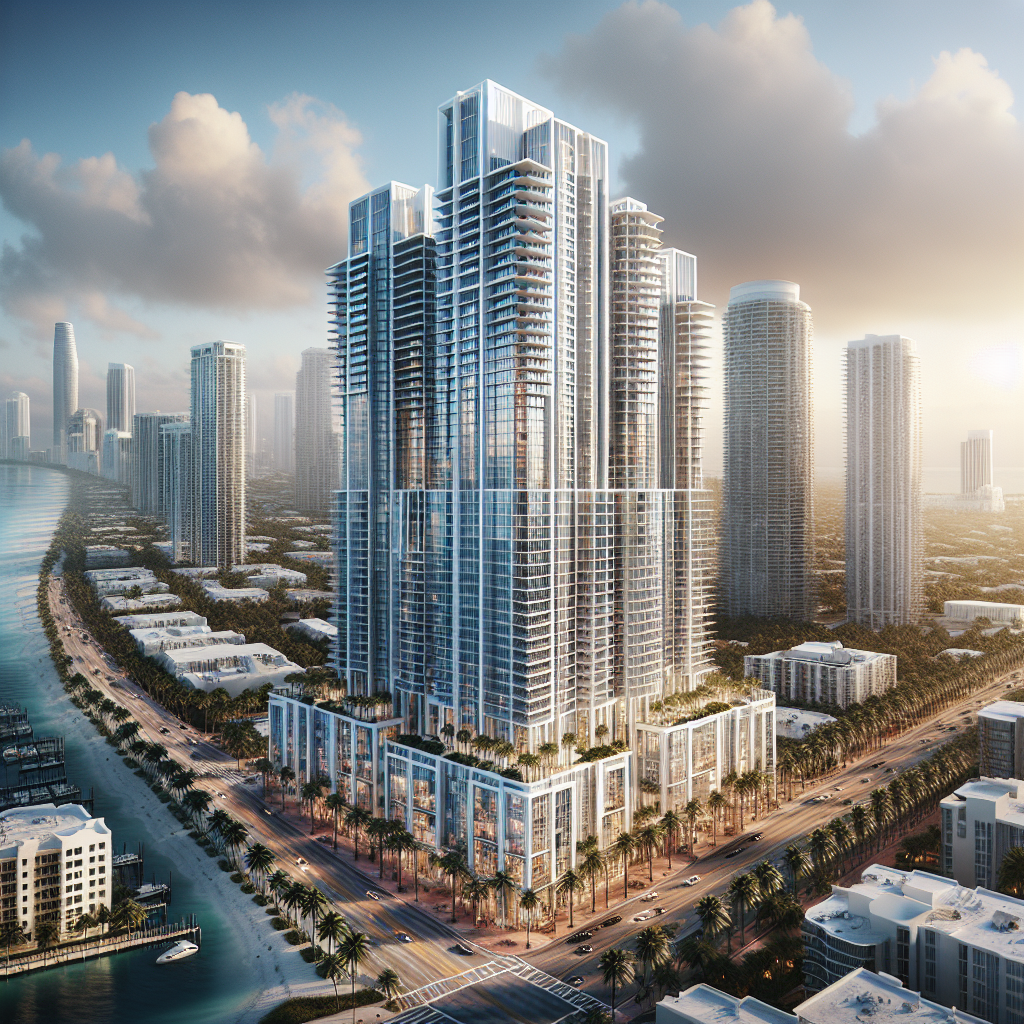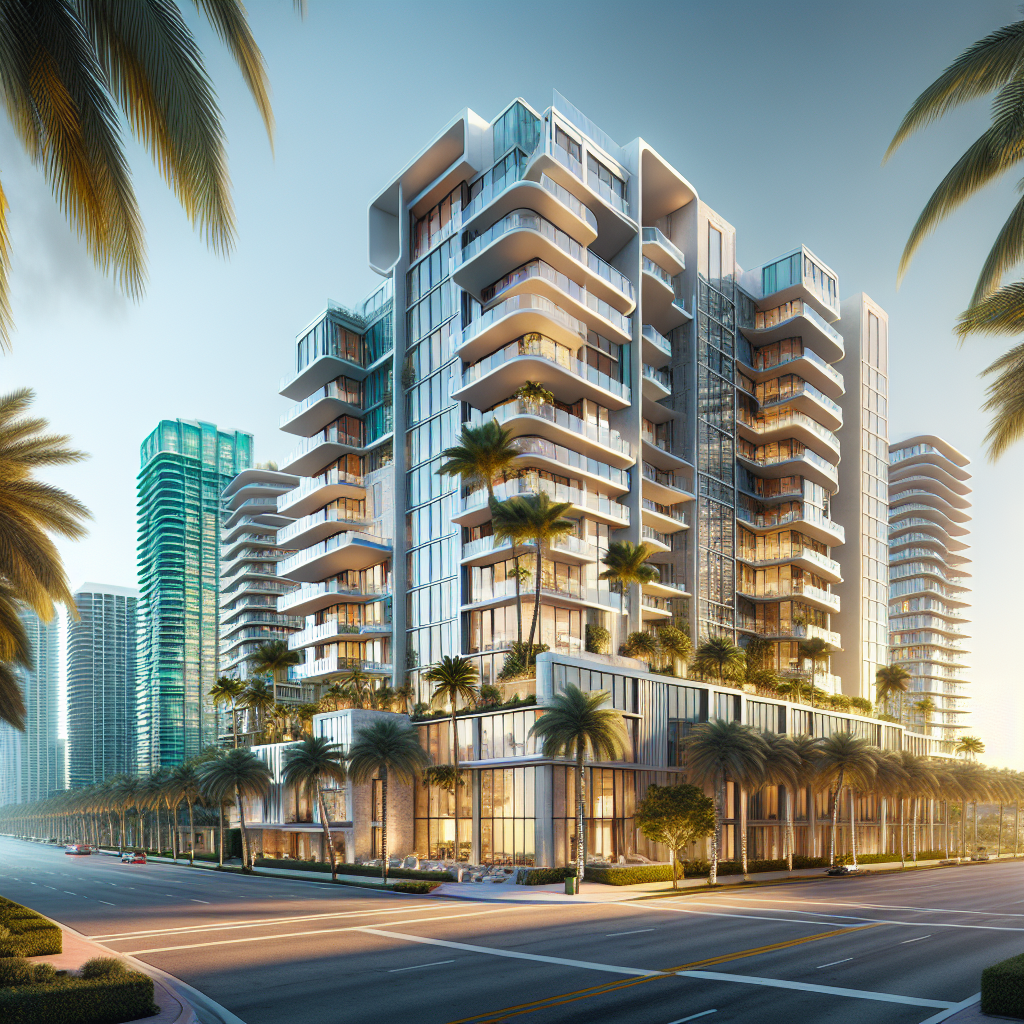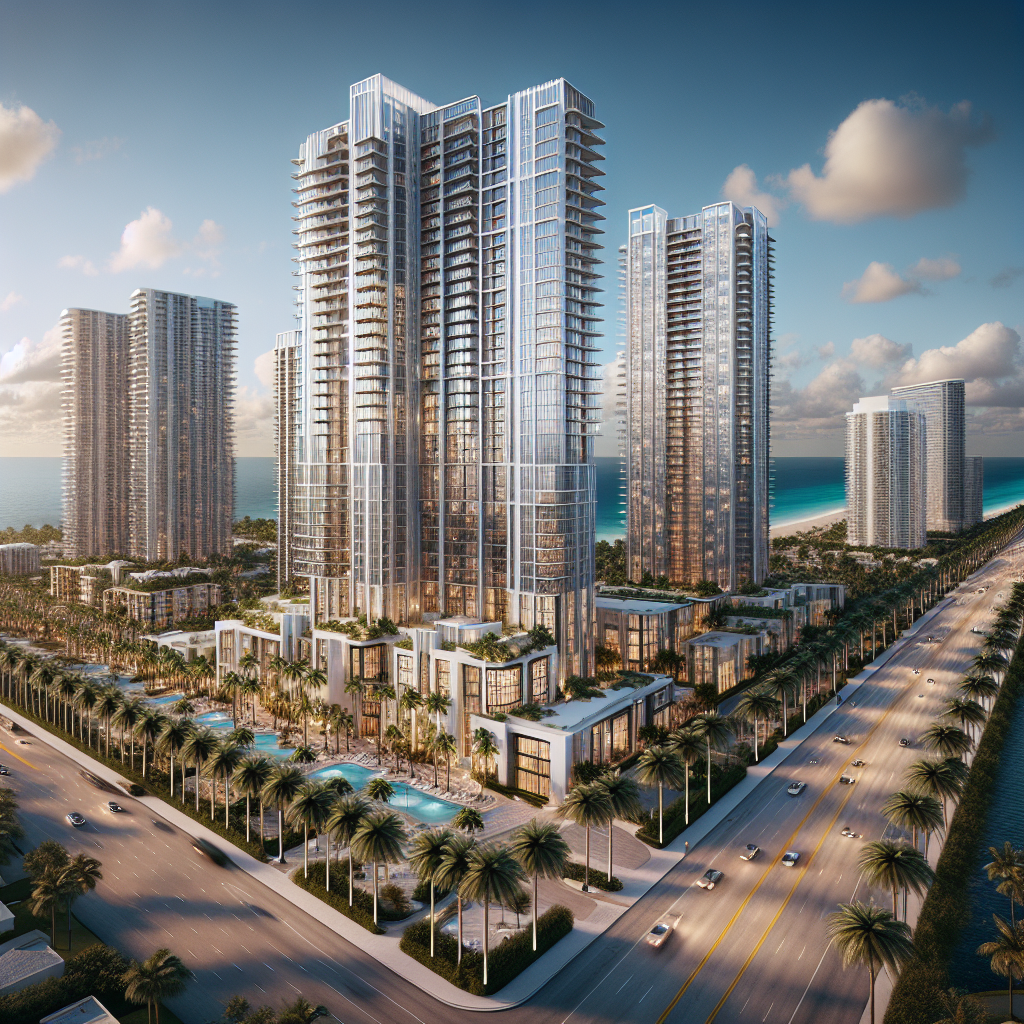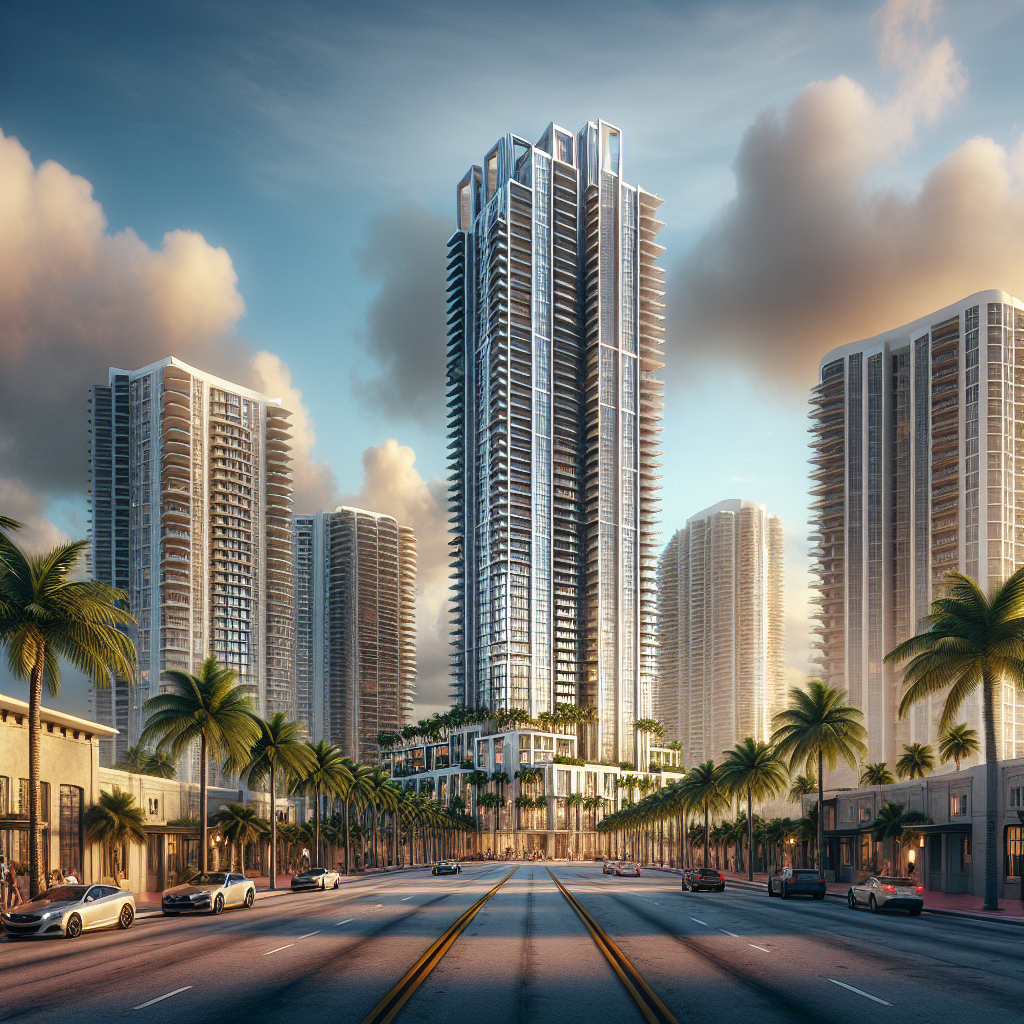
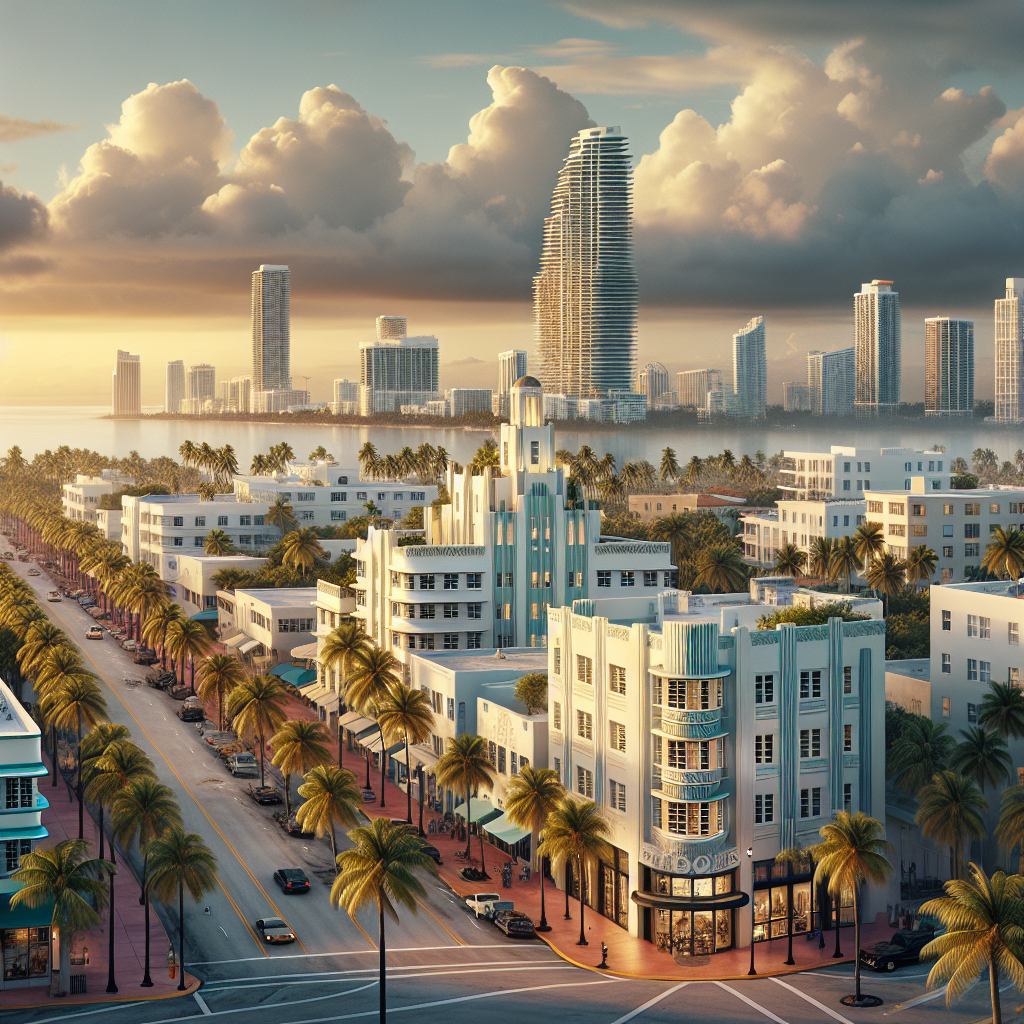
As I stroll through Miami Beach’s Historic Art Deco District, I can’t help but feel a twinge of nostalgia mixed with concern. The vibrant colors of the buildings, characterized by their distinct geometric shapes and playful neon accents, tell a story of an era long past. Yet, whispers of change are in the air, suggesting that these iconic structures face a precarious future. Could they really be bulldozed in favor of high-rise towers? This question clouds the horizon of our beloved neighborhood.
Walking along Ocean Drive, I often feel the pulse of the city—cacophony of laughter from outdoor cafes, the rhythmic sound of waves lapping against the shore, and the inviting scent of fresh seafood wafting through the air. It’s easy to see why this area has always attracted both locals and tourists. The Art Deco buildings don’t just house shops and restaurants; they embody the spirit of Miami Beach. They are storied places where memories are made, families grow, and art thrives.
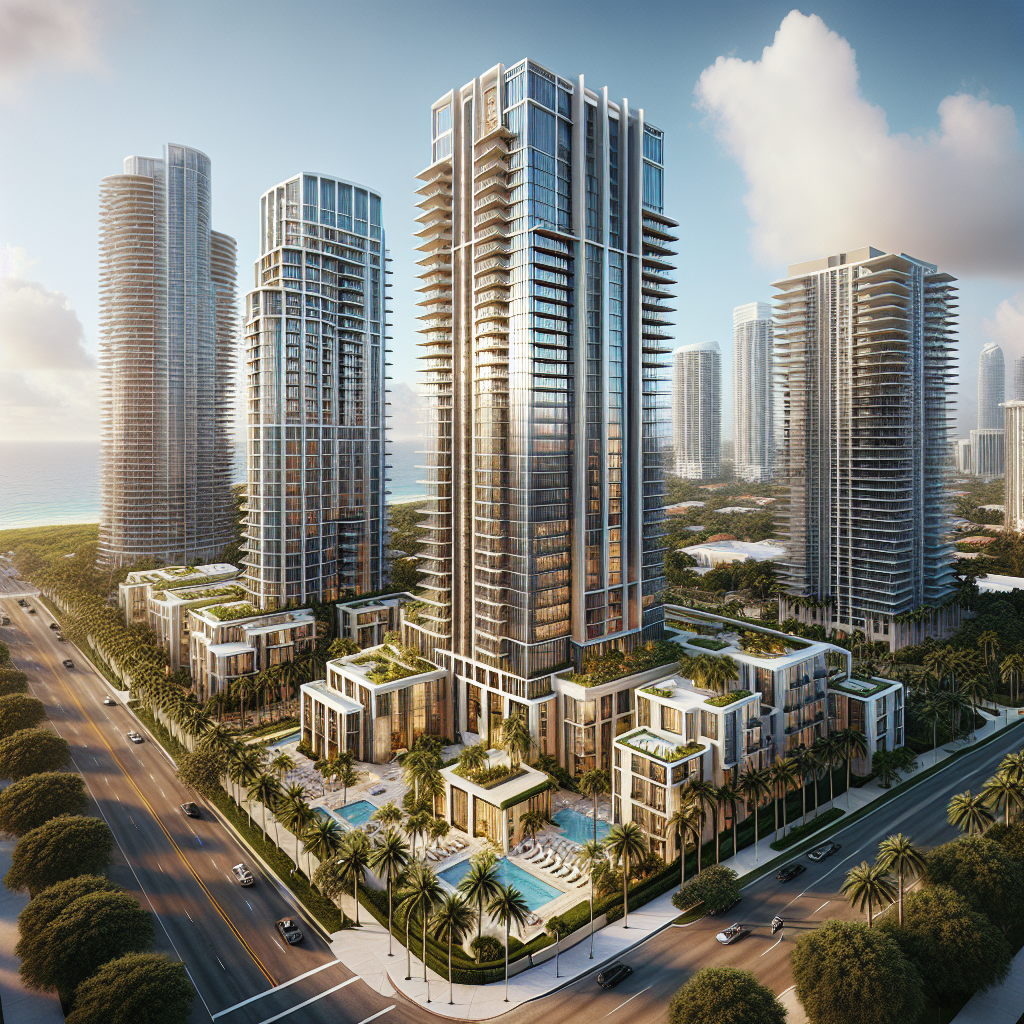
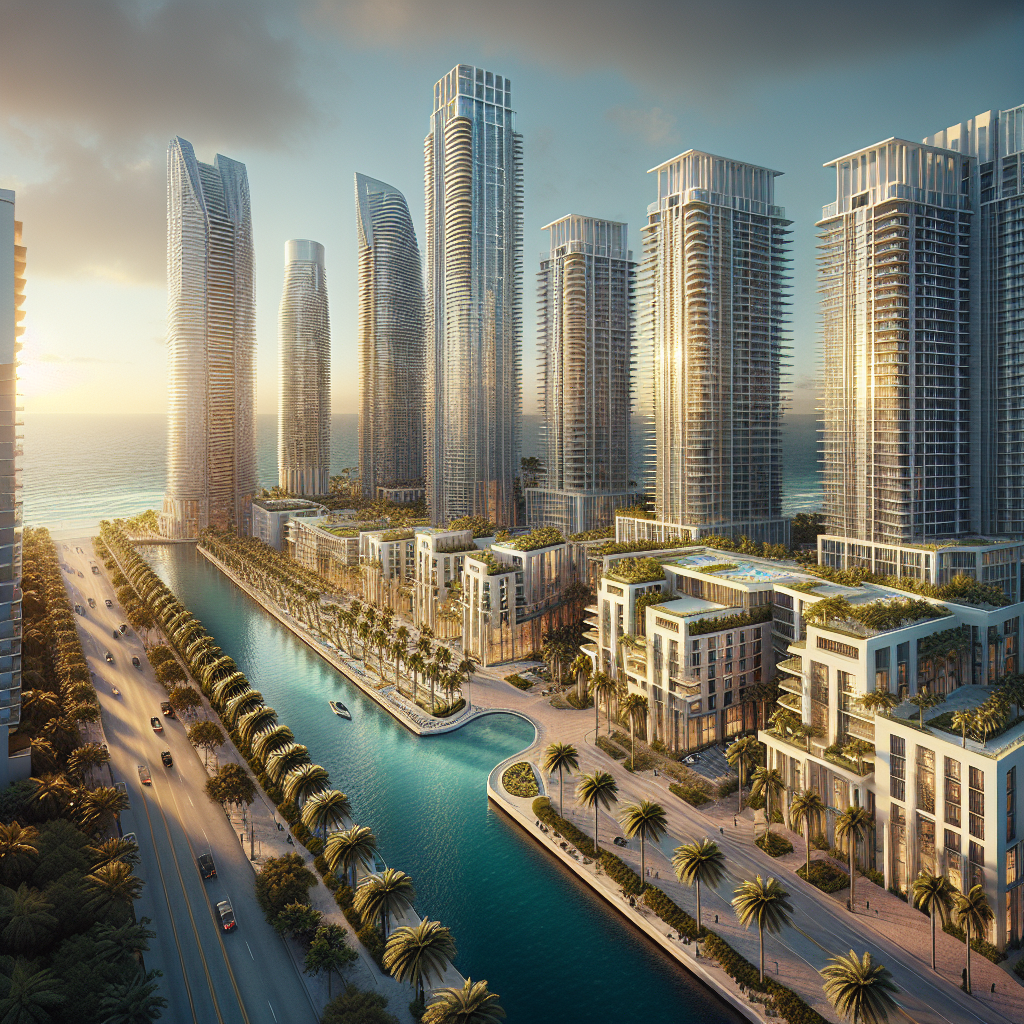
However, the real estate landscape is shifting. High-rise towers symbolize modern luxury and a form of growth that some see as necessary for economic vitality. Yet, there’s something inherently precious about the low-slung, whimsical structures of the Art Deco District that potentially brings more value to the experience of living here than any fancy new elevator or sea view could offer.
Those high-rises may promise expansive ocean views and an array of high-end amenities, but let’s consider what these historic buildings contribute to our community. The Art Deco District isn’t just a backdrop; it’s a living museum. Each building—from the pastel-hued facades of the Colony Hotel to the rounded corners of the Starlite—tells a chapter in the history of Miami Beach. Visitors often come not just for the beaches but to soak in the ambiance of a bygone Miami that is slowly fading from view.
Real estate trends reflect more than just numbers; they reflect cultural shifts too. In Sunny Isles Beach and Miami Beach, buyers have been increasingly drawn toward not only luxury amenities but also the character unique to these historical properties. They appreciate layouts that favor open spaces filled with natural light and ocean breezes, rather than the constricted feeling that can come from living in a boxy high-rise.
Moreover, the dichotomy between luxury and history creates a fascinating dynamic in how people perceive value. Recently, I overheard a conversation at one of the local cafes where three millennials discussed potential purchases. One mentioned that while new high-rises tout rooftop pools and amenities, she feels there’s something irreplaceable about sipping cocktails at a historic bar on a warm evening, surrounded by that iconic Art Deco flair. It’s a sentiment I’ve found echoed throughout the community; the lifestyle they seek is tied to our past.
The materials and craftsmanship in these historic buildings matter too. Many boast terrazzo floors, and intricate tile work that feels both grounded and unique. These features can’t be replicated in new constructions, where standards often favor speed over artistry. Given the environmental trends leaning toward sustainability, the potential to restore these buildings and retrofit them with modern amenities offers a more ecologically sound approach than tearing them down entirely.
The energy of the neighborhoods surrounding this district is another key takeaway for buyers. Sidewalks teeming with art markets, food trucks, and local musicians embody a spirit of creativity that high-rises simply can’t replicate. There’s a tangible sense of community here that truly reflects what living in Miami Beach is all about. From the sun-soaked afternoons spent lounging with friends to lively evenings filled with music, the area thrives on connections and moments that define our local culture.
With that in mind, I can’t help but wonder if there’s a tipping point. Are we really willing to sacrifice those vibrant connections and stories for shiny new towers, however appealing they may seem on paper? It seems that many locals feel the same way. The pushback against such developments—which often brings concerns about rental prices, traffic, and the loss of cultural heritage—underscores a broader conversation about what kind of community we wish to build moving forward.
As I conclude my walk, I take in the stunning sunset casting a warm glow over the skyline, the Art Deco buildings shimmering like jewels against the dusky sky. It’s a reminder that the beauty of Miami Beach lies not just in its luxurious properties but in its storied past, vibrant culture, and rich community experience.
While the siren song of high-rises may entice developers and investors, I firmly believe that a better path lies in preserving what makes our city unique. Perhaps there’s still time to halt the bulldozers and make thoughtful decisions that honor our architectural heritage while embracing modern living. Every time I glide past those historic buildings, I feel the heartbeat of the city, and I hope that spirit continues to thrive amid the changing tides of real estate development.