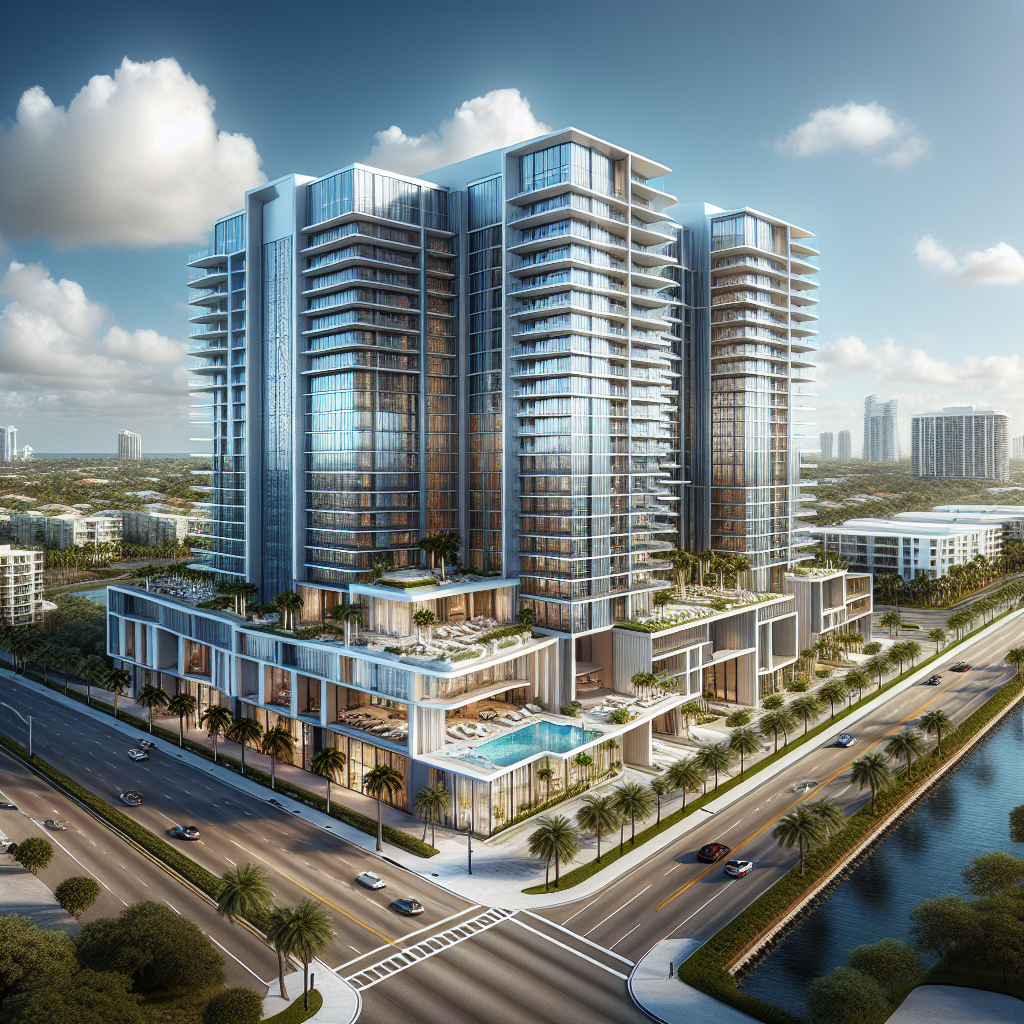
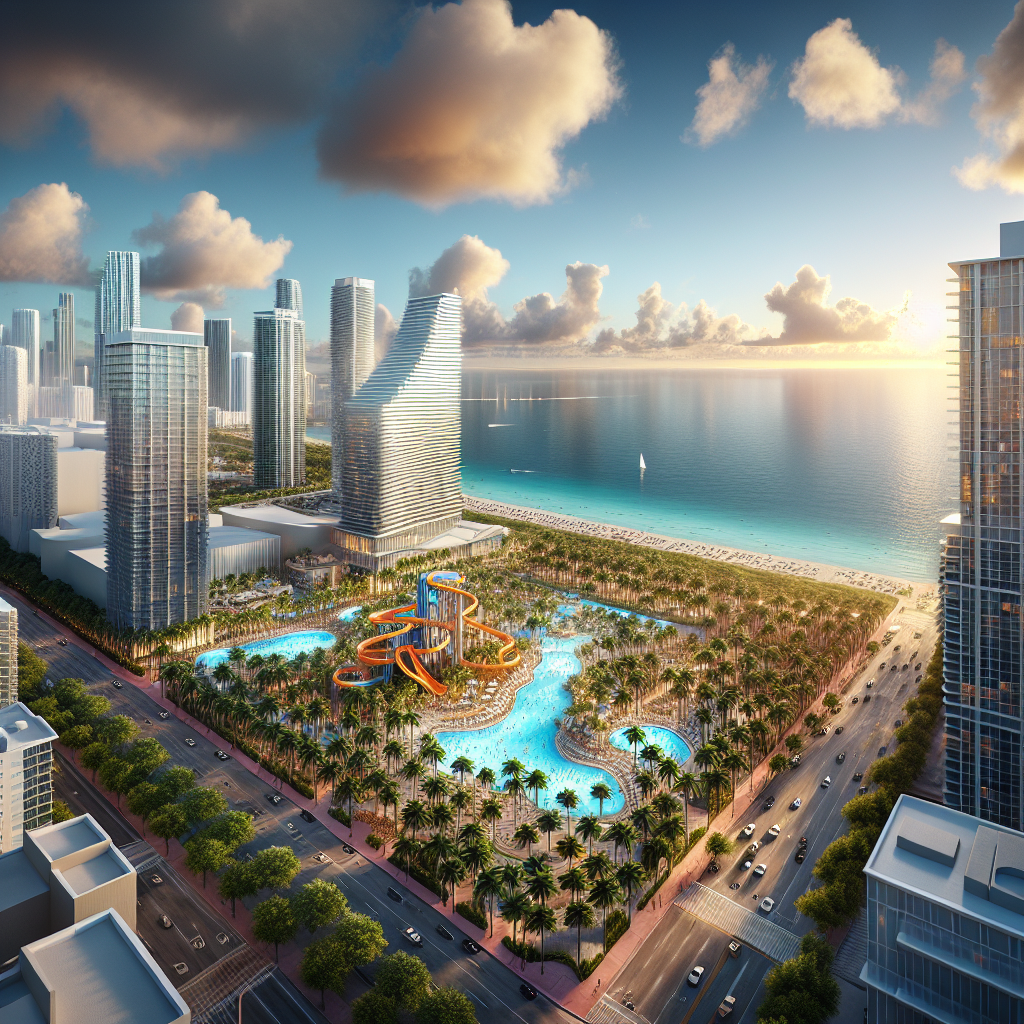
As I strolled along Collins Avenue recently, the air buzzing with the potential of what’s new and the echoes of what’s historic, my eyes settled on the Fontainebleau Miami Beach. This iconic resort, with its flowing waves of white architecture and classic curves, stands as a testament to a glamorous past that has beckoned both locals and travelers for decades. However, whispers of change now dance through the palm fronds—a proposed water park that could drastically reshape this beloved landmark.
For those who call Miami Beach home, the Fontainebleau is not just a backdrop; it’s a part of our collective memory, a symbol of our city’s unique charm. I remember visiting for Sunday brunch, soaking in the vivid atmosphere as families gathered for lavish meals and leisurely afternoons by the pool. Yet, times are changing, and the ambitious plans for a water park raise essential questions about the balance between modernity and preservation.
At a recent meeting of the Miami Beach Historic Preservation Board, a substantial contingent of residents gathered to voice their apprehensions over Jeffrey Soffer’s proposal for a sprawling water park, featuring a towering 12-story waterslide. Many expressed concern that such an addition would disrupt not only the hotel’s architectural integrity but also the character of our treasured Mid-Beach neighborhood. This land, rich in history and designed by the illustrious Morris Lapidus, has a rhythm and presence that such a bold structure might clash with.
What does this mean for the real estate landscape of Sunny Isles Beach and Miami Beach? As a local, I’ve witnessed how change often ignites fervent discussions about what our neighborhoods should represent. The proposed water park at Fontainebleau isn’t merely an addition; it’s a litmus test for our values as a community. Will we choose to preserve our storied past, or will we embrace the glitz and bustle of a water park that invites families but might alienate those who have cherished quieter, more refined moments by the ocean?
The Fontainebleau, in its current form, attracts a specific demographic—affluent travelers who seek luxury and nostalgia. Many of us homeowners in the surrounding areas love the understated elegance it brings to our real estate market—think refined condominiums in Mid-Beach with sweeping ocean views or chic beachfront lofts. Each building in the vicinity adds a unique flavor to the overall community, making it diverse yet cohesive. The water park stands to disrupt this delicate balance, potentially altering the appeal of surrounding properties and changing buyer sentiments about what it means to live in this neighborhood.
As prospective buyers evaluate properties in our vibrant market, they often consider community appeal, leisure options, and the overall vibe of a neighborhood. A water park may attract families, but it could deter some of the refined clientele looking for a tranquil retreat. With each new development, there’s a crucial need to weigh community input against potential financial benefits. Discerning buyers analyze such trends closely. They look for unique amenities—but there’s a careful interplay between excitement and disruption, and the introduction of a water park raises a significant flag.
Moreover, we locals understand that with an increase in attractions, there comes a surge in traffic and activity, which can be both a boon and a burden for our beloved beachfront streets. Increased congestion could mean longer commutes and diminished accessibility to the very reasons we fell in love with this area—the sun-kissed beaches, the leisurely strolls along the promenade, and the charm of local cafes where we know the baristas by name.
Architecturally speaking, imagine if the proposed waterslide were to dominate the skyline, overshadowing the clean lines and iconic silhouette of Fontainebleau. It would redefine not just the property itself but the entire visual narrative of the beachfront. The unique ambiance of the Art Deco heritage surrounding Miami Beach stands to be compromised, leading to a cascade of potential alterations throughout this historic area.
As discussions unfold, I’m reminded of the broader implications this change holds for Miami Beach real estate. It could be a defining moment—a pivot point that reaffirms our commitment to preserving our cultural heritage in the face of aggressive modernization. Supporters of the water park argue it’s necessary to compete with luxury resorts in other regions. But for us, the allure of Miami Beach lies in its story—the stories echoed in the sun-drenched halls of the Fontainebleau, which seem to whisper tales of glamour and elegance from the past.
In considering all of this, what does the future hold? It feels like we’re on the edge of some pivotal choices. Residents deserve a voice in shaping the landscape they inhabit. As local development unfolds, we must find innovative ways to balance growth with preservation. This crossroads will undoubtedly determine Miami Beach’s identity for years to come.
So, next time you’re in the area, take a moment to appreciate not just the view but the stories intertwined with our surroundings. Whether it’s standing in the shadow of the Fontainebleau or enjoying the beach vibes, we all share a stake in what happens next. The tension between flourishing development and cherished history plays out every day, and as locals, we can only hope for a harmony that honors both.